Analyzing Regulatory Shifts in Encrypted Payment Flows Across Portable Casino Networks
Written by Greta Neumann · Jun 28, 2026

Analyzing Regulatory Shifts in Encrypted Payment Flows Across Portable Casino Networks
Regulatory frameworks governing encrypted payment flows in portable casino networks continue to evolve as authorities address cross-border data security and transaction verification requirements, and operators adjust their systems accordingly. Portable networks rely on mobile applications that process payments through encrypted channels, and recent updates in multiple jurisdictions have introduced new standards for key management and audit trails.
Current Regulatory Landscape in Mobile Gaming Payments
Authorities in several regions have implemented updated encryption mandates that require portable casino platforms to adopt specific protocols for transaction data protection. These changes focus on real-time monitoring of fund transfers while maintaining compatibility with existing mobile operating systems. Data from industry tracking services shows increased adoption of multi-layer encryption methods across applications handling deposits and withdrawals in June 2026.
European regulators have coordinated efforts through directives that emphasize secure payment gateways in digital entertainment sectors, and this has influenced how portable networks structure their backend processes. Meanwhile North American state-level bodies have introduced guidelines targeting encrypted flows in apps that operate across state lines, creating a patchwork of compliance requirements that operators must navigate simultaneously.
Encryption Protocol Updates and Compliance Demands
Many portable casino networks now integrate advanced cryptographic standards such as enhanced AES variants combined with blockchain-based verification layers to meet emerging rules. These adaptations allow for verifiable transaction records without exposing sensitive user details during mobile sessions. Research from academic institutions indicates that such hybrid approaches reduce vulnerability windows during high-volume betting periods on handheld devices.
Regional Variations in Payment Flow Oversight
Australian oversight bodies have emphasized reporting mechanisms for encrypted transfers originating from mobile casino accounts, and this has prompted developers to embed automated logging features directly into app architectures. In Canada provincial frameworks have aligned on standards for cross-platform payment reconciliation, which affects how funds move between live dealer interfaces and slot systems within the same portable ecosystem. Those who've examined these policies note that synchronization between encryption keys and regulatory reporting portals has become a core operational priority.
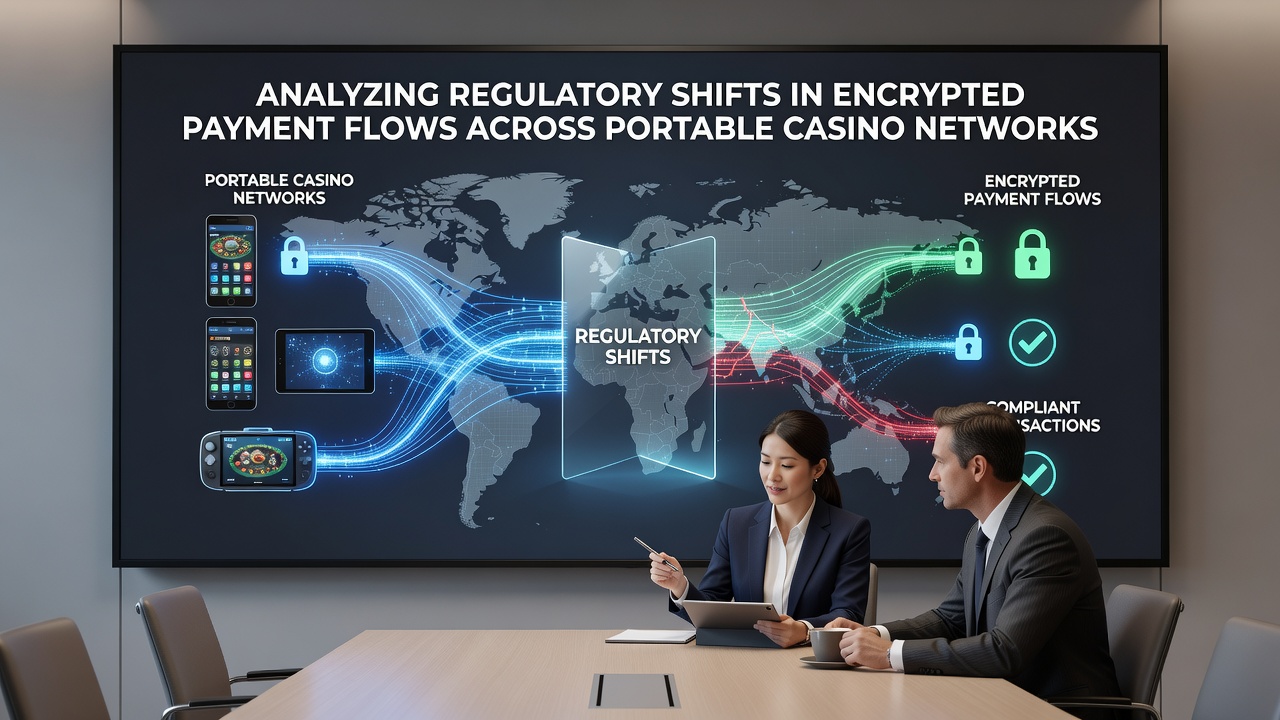
Operators have responded by deploying centralized compliance dashboards that track encrypted payment routes in real time, and this allows quicker adjustments when new rules take effect. What's interesting is how these dashboards integrate with existing app update cycles so that portable networks can roll out changes without disrupting user sessions.
Impact on Transaction Verification and Data Handling
Verification layers in portable casino networks now incorporate dynamic key rotation schedules mandated by updated regulations, and this process helps maintain integrity across multiple device types. Figures from payment processing analyses reveal that networks adopting these schedules have seen measurable improvements in audit pass rates during routine inspections. Experts observe that the shift toward continuous verification rather than batch processing has altered how mobile applications handle peak activity periods.
Cross-border considerations add further complexity because encrypted flows often traverse jurisdictions with differing retention requirements for transaction metadata. Portable platforms address this through segmented data storage solutions that isolate payment information based on user location signals detected at login. This method supports compliance while preserving the seamless experience users expect from casino apps on smartphones and tablets.
Adaptations by Network Operators and Technology Providers
Technology providers supplying encryption tools to portable casino operators have released updated software development kits that embed regulatory reporting hooks directly into payment modules. These kits facilitate automatic generation of compliance reports without requiring separate data extraction steps. One study revealed that integration of such tools has shortened the time between transaction completion and regulatory submission in several tested networks.
Network operators have also formed working groups to share implementation strategies for new encryption standards, and this collaboration helps standardize approaches across competing platforms. The result appears in unified testing protocols that verify both security strength and regulatory alignment before app releases reach public stores.
Conclusion
Regulatory shifts continue to reshape encrypted payment flows in portable casino networks through updated protocols, verification requirements, and regional compliance frameworks. Operators and technology providers have adapted by incorporating advanced cryptographic methods and automated reporting systems that align with current mandates. As jurisdictions refine their approaches, portable networks maintain focus on secure, verifiable transaction handling that meets evolving standards across mobile environments.