Charting Synchronization Patterns Between Live Event Data Streams and Layered Promotional Triggers Across Multi-Device Wagering Platforms
Written by Morgan Peters · Jun 7, 2026
Charting Synchronization Patterns Between Live Event Data Streams and Layered Promotional Triggers Across Multi-Device Wagering Platforms
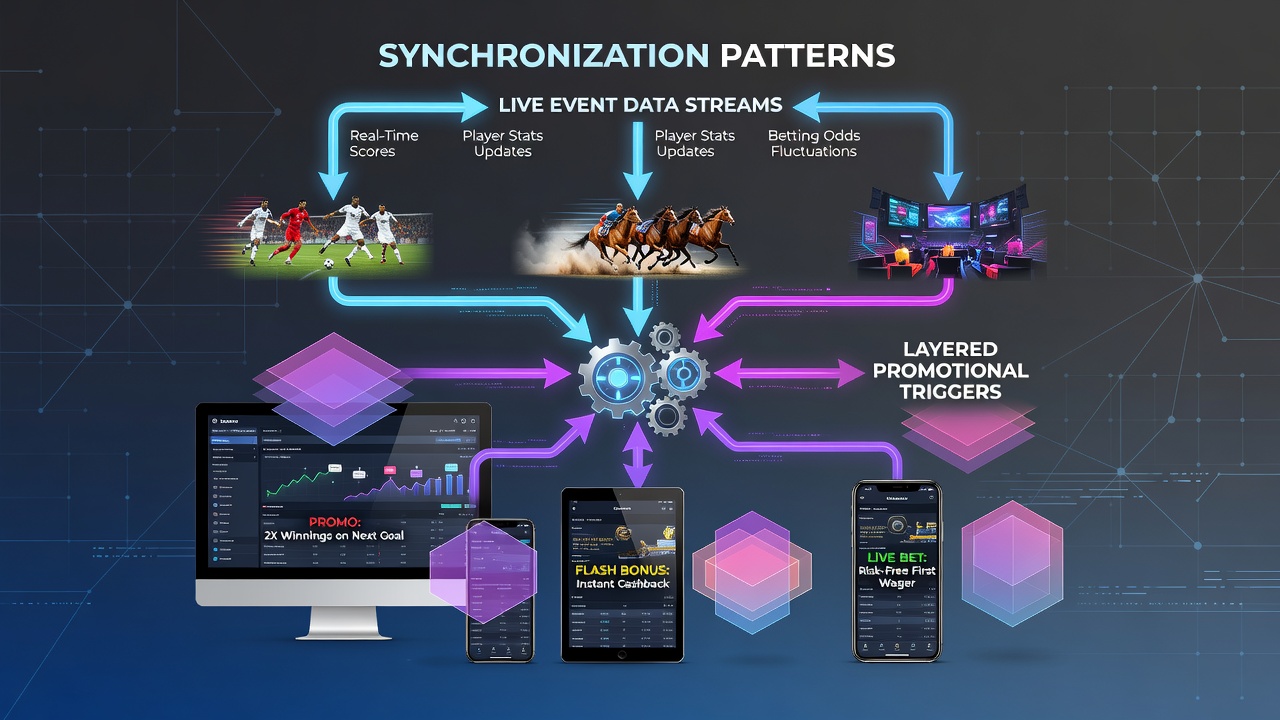
Live event data streams feed directly into wagering platforms through high-speed APIs that update odds and outcomes within milliseconds of real-world changes, and these streams connect with promotional triggers that activate based on user behavior patterns across phones, tablets, and desktops. Platforms track these connections by logging timestamped events from sports feeds, then matching them against rules engines that layer bonuses or notifications without requiring separate logins on each device.
Live Data Integration Mechanisms
Operators pull streams from official league sources and third-party aggregators, routing the information through centralized servers that normalize formats for consistent delivery. In June 2026, several major platforms reported processing over 2.4 million live updates per hour during peak soccer and basketball seasons, according to data shared by the American Gaming Association. Each update carries metadata such as event ID, timestamp, and probability shifts that feed into decision trees determining when a promotional layer activates.
Device handoff occurs when cloud-based session tokens maintain continuity, allowing a user who starts on a desktop to receive the same triggered offer moments later on a mobile app. Synchronization relies on WebSocket connections that push changes in real time rather than relying on periodic polling, which reduces latency across networks with variable signal strength.
Layered Promotional Trigger Architecture
Promotional systems operate in tiers where base triggers respond to simple conditions like a team scoring, while higher layers incorporate user history, current balance, and device type. A first-tier trigger might display an odds boost immediately after a goal, whereas a second-tier layer could stack a deposit match only if the user has not yet claimed a similar offer that day. These layers sit atop the live data pipeline so that changes in event state automatically evaluate every active rule without manual intervention.
Research from the University of Nevada's gaming technology lab shows that platforms using rule-based engines with fewer than five layers achieve 94 percent trigger accuracy during high-volume periods, while those exceeding eight layers experience a measurable drop in response speed. The same study tracked how multi-device environments require additional checks to prevent duplicate triggers when a user switches between applications within the same session.
Pattern Recognition Across Devices
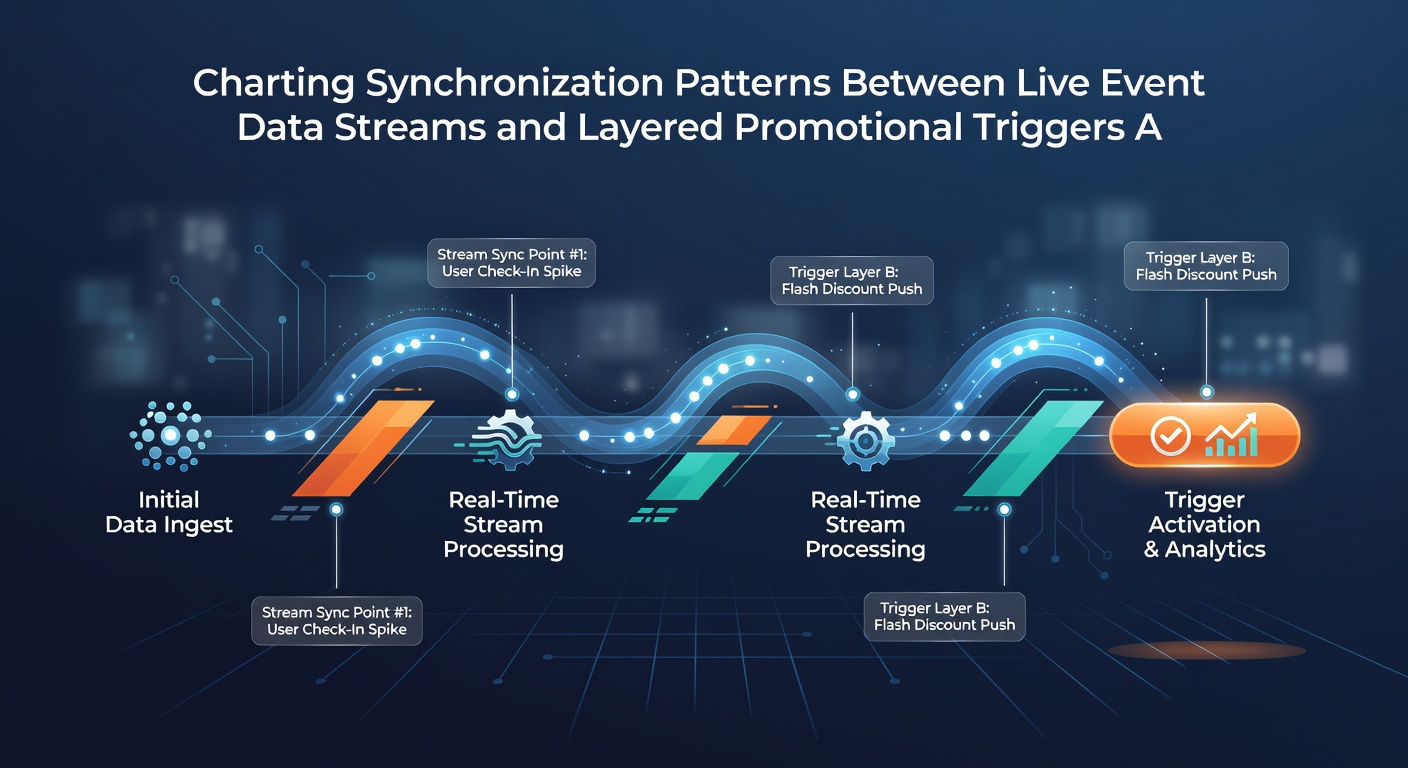
Analysts chart synchronization by mapping the time between a live event update and the appearance of a promotional message on each device category. Patterns emerge when certain device combinations consistently show delays of 800 milliseconds or more, often linked to older operating systems or congested local networks. One European operator documented these delays during the 2026 UEFA Champions League final, noting that tablet users experienced promotional activation 1.2 seconds later than smartphone users on average.
Those who study these systems note that geographic location influences the patterns as well. Users in regions with strong 5G coverage see tighter synchronization than users on legacy 4G connections, even when the underlying event data arrives at the same server. Platforms adjust by adding device-specific weighting to their trigger logic, which helps maintain consistent timing regardless of hardware.
Technical Challenges and Solutions
Data volume creates the primary bottleneck because live streams generate continuous updates while promotional rules must evaluate thousands of user profiles simultaneously. Engineers address this by implementing edge computing nodes that pre-process common triggers closer to the user, reducing the round-trip time to the central server. A report issued by the Canadian Gaming Association in early 2026 highlighted that operators adopting edge nodes cut average trigger latency by 37 percent across tested markets.
Security layers add another variable since every data packet and promotional decision passes through encryption and fraud-detection filters. These filters run in parallel threads so they do not block the main synchronization path, yet they still introduce occasional micro-delays when suspicious patterns require deeper inspection. Observers have recorded that such checks rarely exceed 150 milliseconds when hardware acceleration is active.
Future Developments in Synchronization
Emerging standards for event data formatting aim to reduce translation overhead between different sports leagues and platform vendors. Groups working on these standards held working sessions in June 2026 to finalize protocols that embed promotional eligibility flags directly into the live feed, potentially eliminating separate rule evaluations. Early tests indicate this approach could shorten the interval between an event change and trigger activation to under 200 milliseconds on most consumer devices.
Cross-platform identity systems continue to evolve as well, allowing a single user profile to carry promotional state across devices without repeated authentication. Several operators have begun testing federated identity frameworks that comply with regional data-protection requirements while still delivering real-time offers.
Conclusion
Synchronization between live event streams and layered promotional systems depends on precise timing, device-aware logic, and efficient data handling across multiple hardware environments. As operators refine these connections through edge processing, standardized feeds, and improved identity management, the measurable patterns become more consistent regardless of where or how users access their accounts. Continued monitoring of latency metrics and trigger accuracy will determine how these systems scale with growing event volumes and device diversity in the months ahead.