Decoding Interface Design Elements That Guide Session Durations in Cross-Device Wagering Ecosystems
Written by Olivia Schmidt · Jul 19, 2026
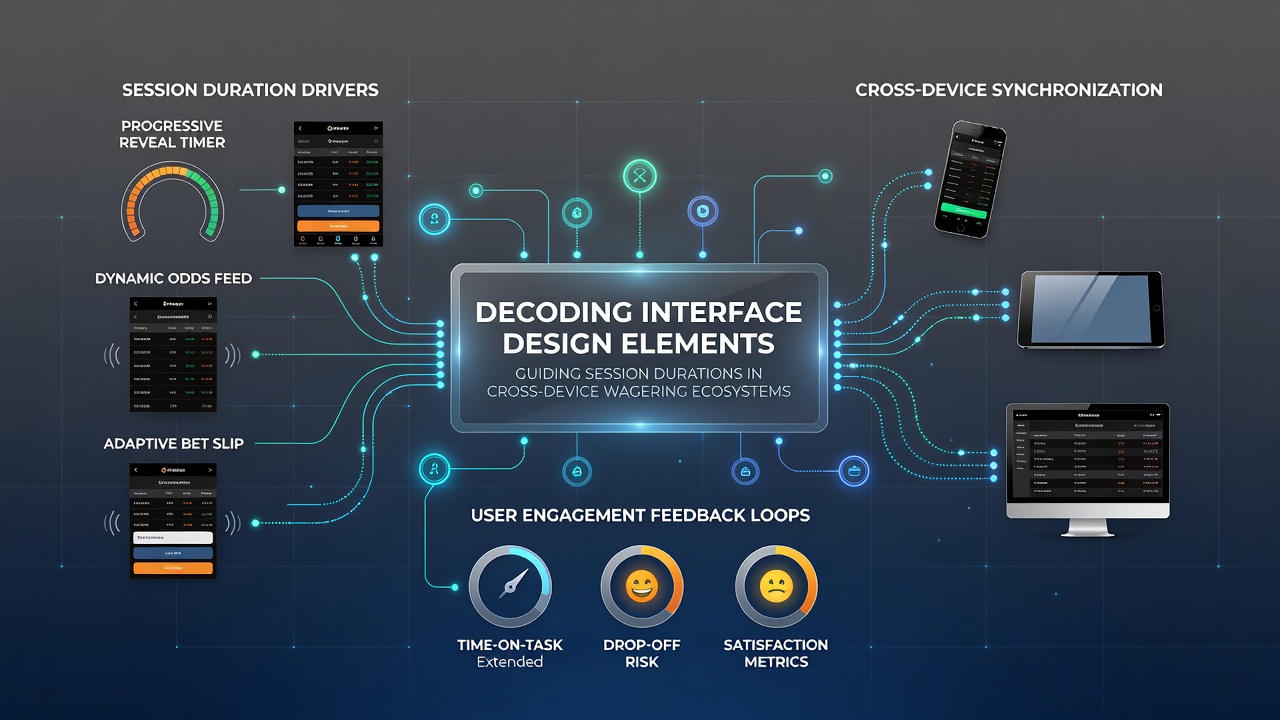
Decoding Interface Design Elements That Guide Session Durations in Cross-Device Wagering Ecosystems
Cross-device wagering ecosystems connect mobile apps, desktop platforms, and tablets through unified accounts that maintain consistent user states across hardware, and interface design elements play a direct role in determining how long sessions last. Designers incorporate real-time synchronization indicators, persistent navigation bars, and visual progress cues that reduce friction when users switch devices, which in turn extends time spent within the ecosystem according to data compiled in mid-2026.
Core Synchronization Features Across Devices
Account continuity forms the foundation, where login tokens and session states transfer automatically so that a wager placed on a phone appears instantly on a linked desktop without reload delays. Observers note that platforms displaying a small sync icon or progress bar during transitions keep users engaged longer because the visual feedback signals reliability and eliminates the need to restart actions. In July 2026 reports from multiple operators showed average session lengths increasing when these sync indicators appeared within the first three seconds of device handoff.
Design teams also embed contextual memory elements such as saved bet slips and live event trackers that persist across sessions. These features activate through background data pushes rather than manual refreshes, and researchers at the International Gaming Institute documented measurable extensions in dwell time when such memory functions operated seamlessly.
Visual and Interactive Cues That Shape Time Spent
Progress indicators tied to ongoing events, including countdown clocks for live markets and streak counters for repeated actions, guide attention toward continued participation. Platforms that color-code these elements to match real-time odds updates see users remain active through multiple market cycles because the interface highlights momentum rather than static lists. Data from operator dashboards in 2026 indicated that sessions featuring dynamic color shifts lasted 18 percent longer on average than those using static displays.
Navigation structures further influence duration through collapsible menus and one-tap access to cross-device history. When users encounter frictionless paths back to previous wagers or open positions, the cognitive load drops and engagement stretches accordingly. Those who studied portable wagering patterns found that streamlined side panels reduced exit rates during peak evening hours when multiple devices often come into play simultaneously.
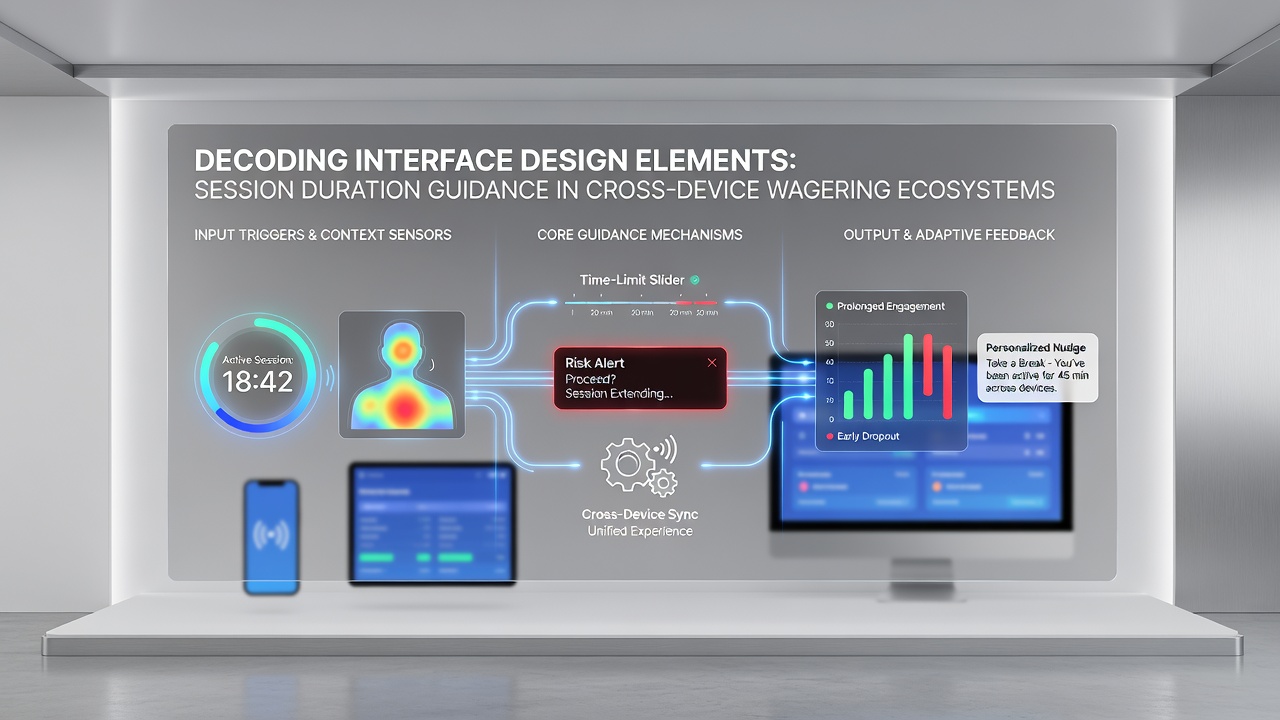
Notification Timing and Re-engagement Mechanics
Push notifications scheduled around active events maintain session continuity without forcing immediate returns. Systems that space alerts based on user-selected preferences rather than fixed intervals demonstrate higher retention across devices, as teh timing aligns with natural breaks in attention. Figures released by iGaming Ontario in early 2026 highlighted that preference-based alerts correlated with extended session chains spanning phone to tablet transitions.
Badge counters and subtle edge highlights on app icons serve as passive reminders that keep the ecosystem visible even when the primary screen is closed. These low-intensity cues avoid alarm fatigue while still prompting returns, and operators tracking July 2026 metrics reported measurable lifts in cumulative daily time when badge systems updated in real time across linked hardware.
Regional Data Patterns Emerging in 2026
North American platforms recorded session extensions tied to biometric quick-login buttons that carried over device states without repeated verification steps. European operators documented similar patterns when interface elements incorporated regulatory-mandated spending summaries displayed inline rather than behind secondary menus. Australian regulatory summaries from the same period pointed to longer average durations when cross-device interfaces presented withdrawal timers alongside active bet trackers.
Industry organizations such as the European Gaming and Betting Association compiled comparative figures showing that ecosystems with unified visual languages across operating systems reduced device-switching drop-offs by noticeable margins. Parallel findings from academic groups at the University of Nevada Reno International Gaming Institute reinforced that consistent iconography and layout spacing contributed directly to sustained interaction lengths.
Conclusion
Interface elements that prioritize synchronization speed, visual continuity, and low-friction navigation collectively steer session durations within cross-device wagering environments. Operators monitoring July 2026 performance data continue to refine these components based on observed behavioral responses, while regulatory bodies across regions track the resulting engagement patterns through standardized reporting channels. The interplay between design choices and measured time-on-platform remains a focal point for ongoing platform development.