Decoding Intersections Between Funding Options and Cross-Game Access Patterns in Handheld Wagering Networks
Written by Morgan Peters · Aug 2, 2026
Decoding Intersections Between Funding Options and Cross-Game Access Patterns in Handheld Wagering Networks
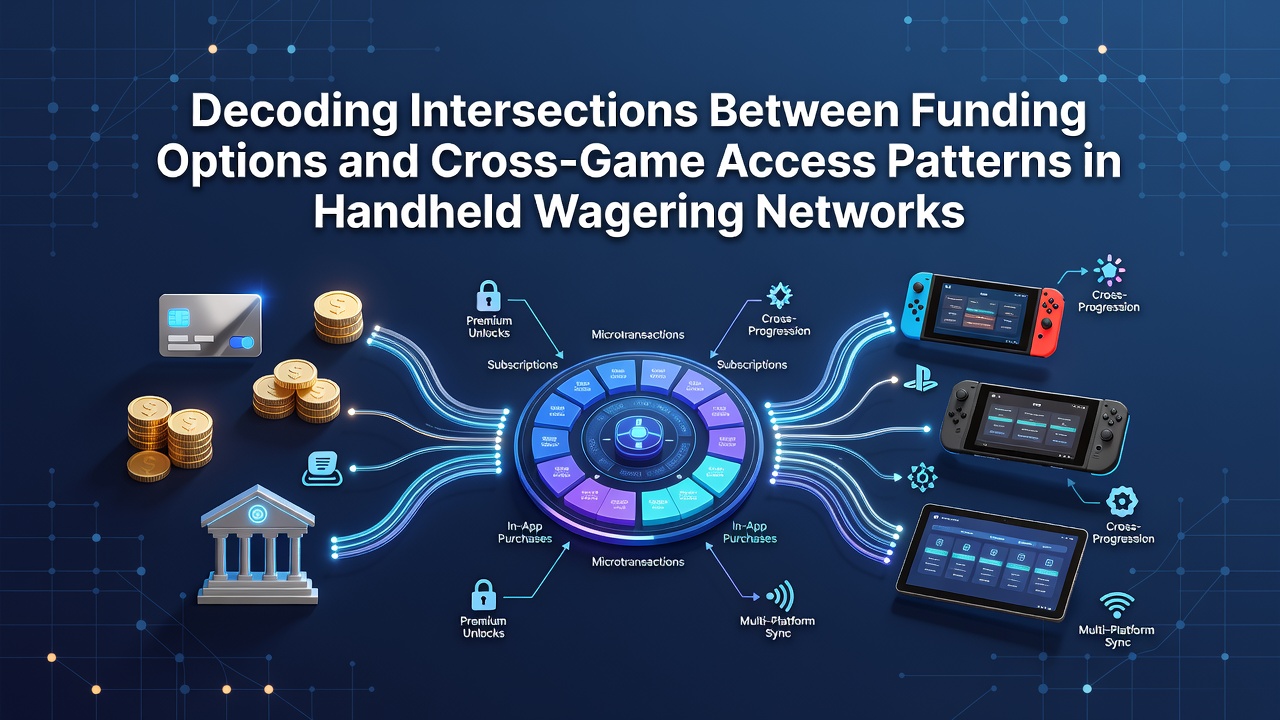
Analysts tracking handheld wagering networks have identified clear connections between available funding methods and the routes users take when moving between game categories such as slots, table games, and sports betting modules. These patterns emerge because payment systems determine how quickly balances update and how seamlessly players shift from one vertical to another without leaving the application.
Funding Mechanisms and Their Technical Footprints
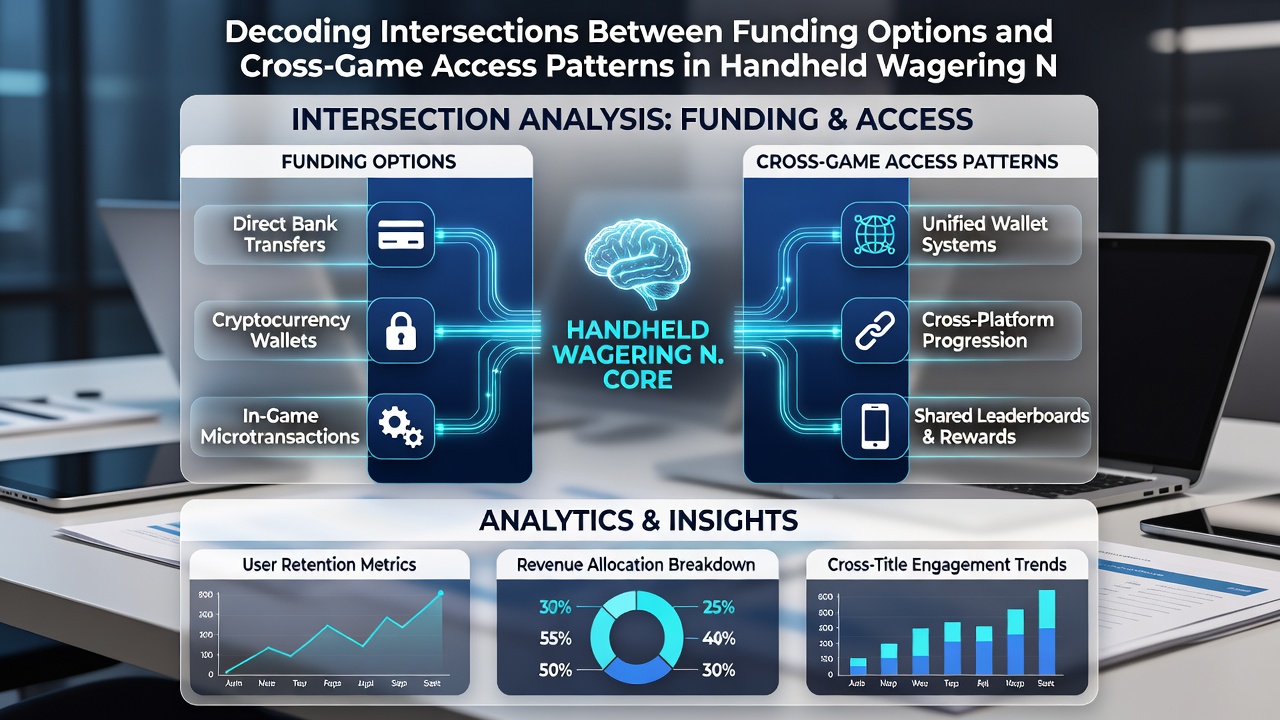
Payment rails including instant bank transfers, digital wallets, and prepaid vouchers leave distinct traces in transaction logs that operators use to map access sequences across game libraries. Data compiled through August 2026 shows that users completing deposits via real-time bank links tend to enter live dealer environments first, whereas those relying on stored-value cards often begin with video slots before exploring other sections. Researchers at institutions studying digital payment flows note that settlement speed correlates directly with the number of vertical switches recorded within a single session.
Platform architecture further amplifies these effects because application programming interfaces route balance confirmations differently depending on the processor involved. When a funding option requires additional verification layers, the delay pushes users toward simpler game types that load without requiring refreshed account states, creating measurable clusters in access logs.
Cross-Game Navigation Data in Mobile Environments
Usage records from multiple operators reveal that players who fund accounts through e-wallet services maintain higher rates of movement between sports betting dashboards and casino lobbies compared with those using traditional card processing. The difference appears in session heat maps where rapid balance refreshes allow immediate transitions without additional authentication prompts. Observers tracking these movements point to reduced friction as the primary driver behind repeated vertical hops.
August 2026 figures from regulatory submissions in several jurisdictions indicate that average session length increases when funding options support instant top-ups, leading to broader exploration of game menus. Handheld devices compound this trend because smaller screens prioritize streamlined navigation flows that reward users who stay within a single application ecosystem rather than switching between separate apps.
Studies examining transaction timestamps alongside game launch events demonstrate that certain funding types align with predictable sequences, such as sports bet placement followed by slot play during event halts. These sequences repeat across user cohorts segmented by payment preference, suggesting that funding infrastructure shapes not only entry points but also subsequent migration paths.
Regional Variations in Payment and Access Intersections
Operators serving North American markets report different intersection points than those active in European or Asian regions because local banking regulations influence which funding rails integrate most smoothly with multi-game platforms. In jurisdictions where instant bank transfers dominate, cross-game access occurs more frequently within the first five minutes of a session, according to aggregated operator data submitted to oversight bodies. Conversely, markets that rely more heavily on card-based deposits show slower migration rates between verticals.
Trade association reports compiled by groups such as the American Gaming Association highlight how these regional differences affect overall platform design choices. Developers adjust menu layouts and loading sequences based on the dominant funding profiles in each territory to optimize the observed navigation patterns.
Security Protocols and Their Influence on User Flows
Multi-factor authentication requirements tied to specific payment methods add another layer to access patterns because extra verification steps interrupt the flow between games. Users encountering these checkpoints often remain in the current vertical rather than moving to another, a behavior documented in session replay analyses conducted by platform engineers. When funding options bypass additional checks through pre-approved device pairing, the rate of vertical transitions rises measurably.
Research published by the Responsible Gambling Council in Canada examines how these security-related pauses interact with funding speed to shape longer-term engagement across game types. The findings indicate that smoother payment pathways correlate with broader exploration of available titles within the same application.
Conclusion
Transaction data and access logs together illustrate that funding options function as gatekeepers for movement across game categories in handheld wagering networks. Settlement speed, verification requirements, and regional banking norms all contribute to the sequences users follow when navigating mobile platforms. Continued monitoring of these intersections provides operators and regulators with concrete metrics for understanding player distribution across product verticals as handheld wagering continues to expand through 2026 and beyond.