Decoding Regional Licensing Variations and Their Effects on Multi-Jurisdictional Operator Strategies in Digital Lottery Networks
Written by Olivia Brooks · Jun 26, 2026
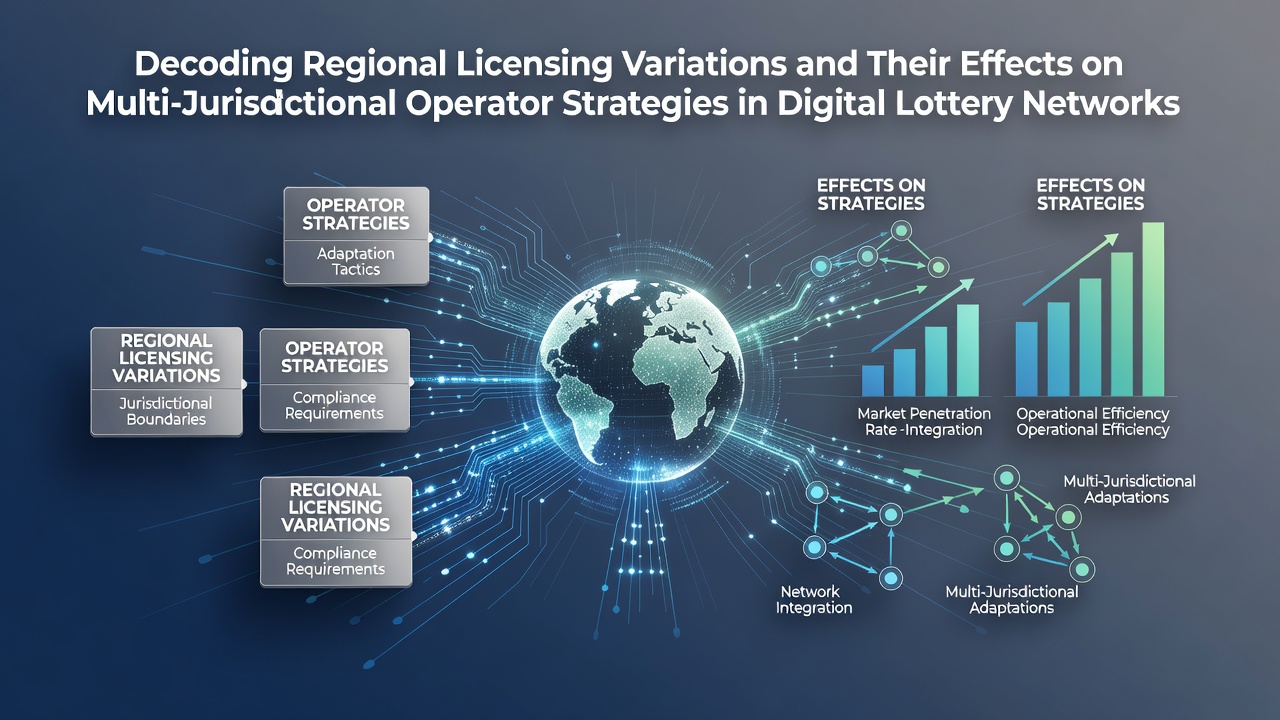
Decoding Regional Licensing Variations and Their Effects on Multi-Jurisdictional Operator Strategies in Digital Lottery Networks
Regional licensing variations shape how operators build and maintain digital lottery networks that span several jurisdictions at once. Different countries and states apply distinct rules on eligibility, technology standards, revenue sharing, and consumer protections, which forces companies to adapt their infrastructure and partnerships accordingly. Those who manage multi-jurisdictional operations track these differences closely because a single network architecture rarely satisfies every local requirement without modification.
Key Differences Across Major Markets
North American frameworks often emphasize state-by-state approvals and strict vendor certification processes, whereas several European systems rely on centralized EU directives that still leave room for national implementation details. Australian states coordinate through mutual recognition agreements yet maintain separate technical audits for each lottery product, and Asian jurisdictions frequently impose data localization rules alongside ownership restrictions on foreign operators. Observers note that these variations create layered compliance obligations that affect everything from random number generator testing to prize payout timelines.
As of June 2026, regulatory updates in several Canadian provinces introduced new digital wallet integration standards while certain U.S. states expanded their testing protocols for geofencing accuracy. Operators report that aligning a unified platform with these evolving specifications requires ongoing investment in modular software design rather than fixed solutions.
Strategic Adaptations by Operators
Multi-jurisdictional operators respond to licensing differences by establishing regional subsidiaries or joint ventures that hold local licenses directly. This structure allows each entity to meet jurisdiction-specific capital requirements and reporting schedules without exposing the entire network to one regulator's enforcement actions. Technology teams deploy configurable compliance engines that adjust parameters such as age verification methods, responsible gaming prompts, and tax withholding formulas based on user location data.
Partnership models also shift depending on the market. In regions with public-private lottery monopolies, private operators often serve as technology providers under service contracts instead of acting as license holders. Where private licensing exists, companies pursue direct applications and build relationships with local financial institutions to handle prize funds and player deposits. Data from industry reports shows that operators maintaining dedicated compliance staff in each active jurisdiction experience fewer delays during renewal cycles.
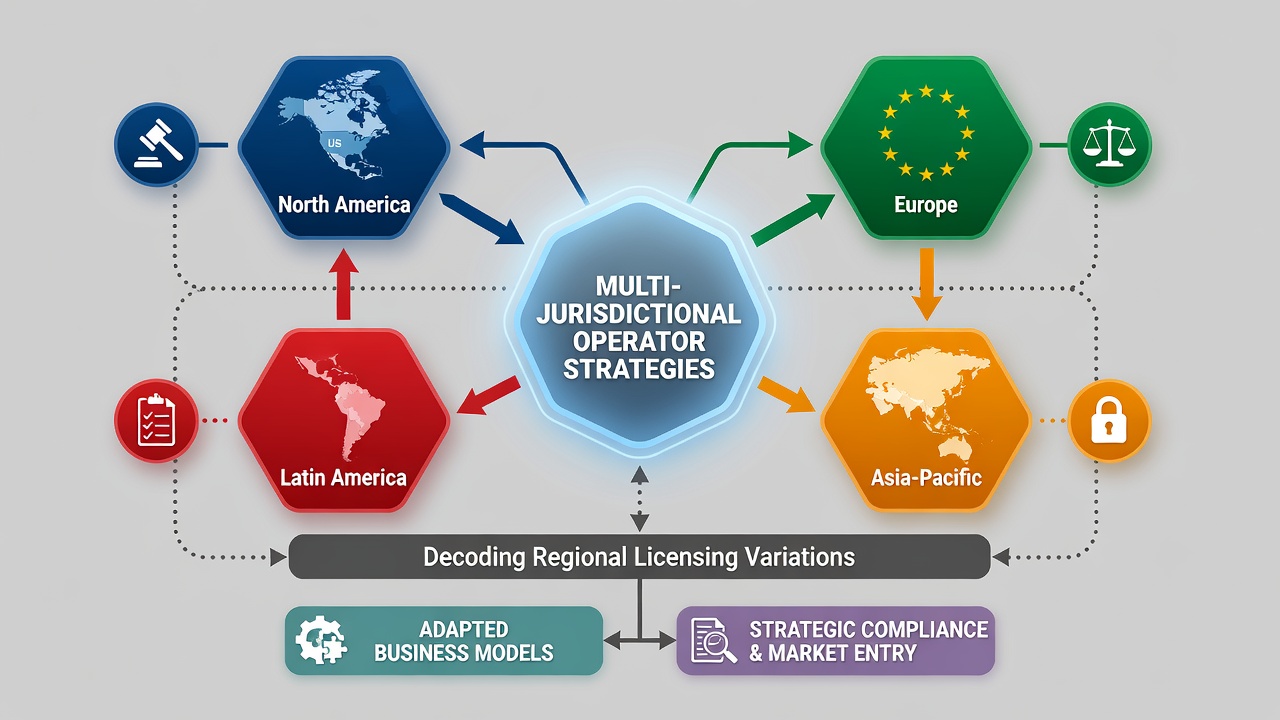
Technology and Infrastructure Considerations
Digital lottery platforms must incorporate flexible backend systems that accommodate varying encryption standards, audit trail formats, and player account management rules. Operators integrate real-time monitoring tools that flag potential cross-border issues, such as a user attempting to access a product restricted in their current location. Research from academic centers indicates that modular architectures reduce the cost of adapting to new licensing conditions compared with monolithic systems.
Payment processing presents another layer of complexity. Some jurisdictions require all transactions to route through domestically licensed financial entities, while others permit international gateways provided they meet anti-money laundering thresholds. Companies address these constraints by maintaining multiple banking relationships and routing logic that selects the appropriate pathway based on transaction metadata.
Impact on Network Expansion and Partnerships
Expansion plans typically follow a phased approach where operators prioritize jurisdictions with clearer licensing pathways before tackling more restrictive markets. This sequencing allows teams to refine their compliance documentation and operational procedures using lessons from earlier entries. Trade associations such as the North American Association of State and Provincial Lotteries publish periodic guidance that helps operators anticipate common documentation requests across member jurisdictions.
Collaboration with local lottery organizations often serves as an entry point. These partnerships provide access to established distribution channels and regulatory goodwill, although they also require revenue-sharing arrangements that vary widely. European operators have documented cases where mutual recognition provisions enabled a single certification to support operations in multiple member states, reducing duplication of testing efforts.
Conclusion
Regional licensing variations continue to drive strategic decisions around technology architecture, corporate structure, and market sequencing for digital lottery operators. Companies that maintain adaptable systems and localized expertise position themselves to respond efficiently when rules change. Ongoing monitoring of regulatory developments across North America, Europe, Australia, and Asia remains essential for sustaining compliant multi-jurisdictional networks.