Inside the Vault: Examining How Biometric Verifications Secure Transactions for Players Engaging in Real-Time Poker and Slot Activities
Written by Greta Neumann · May 17, 2026
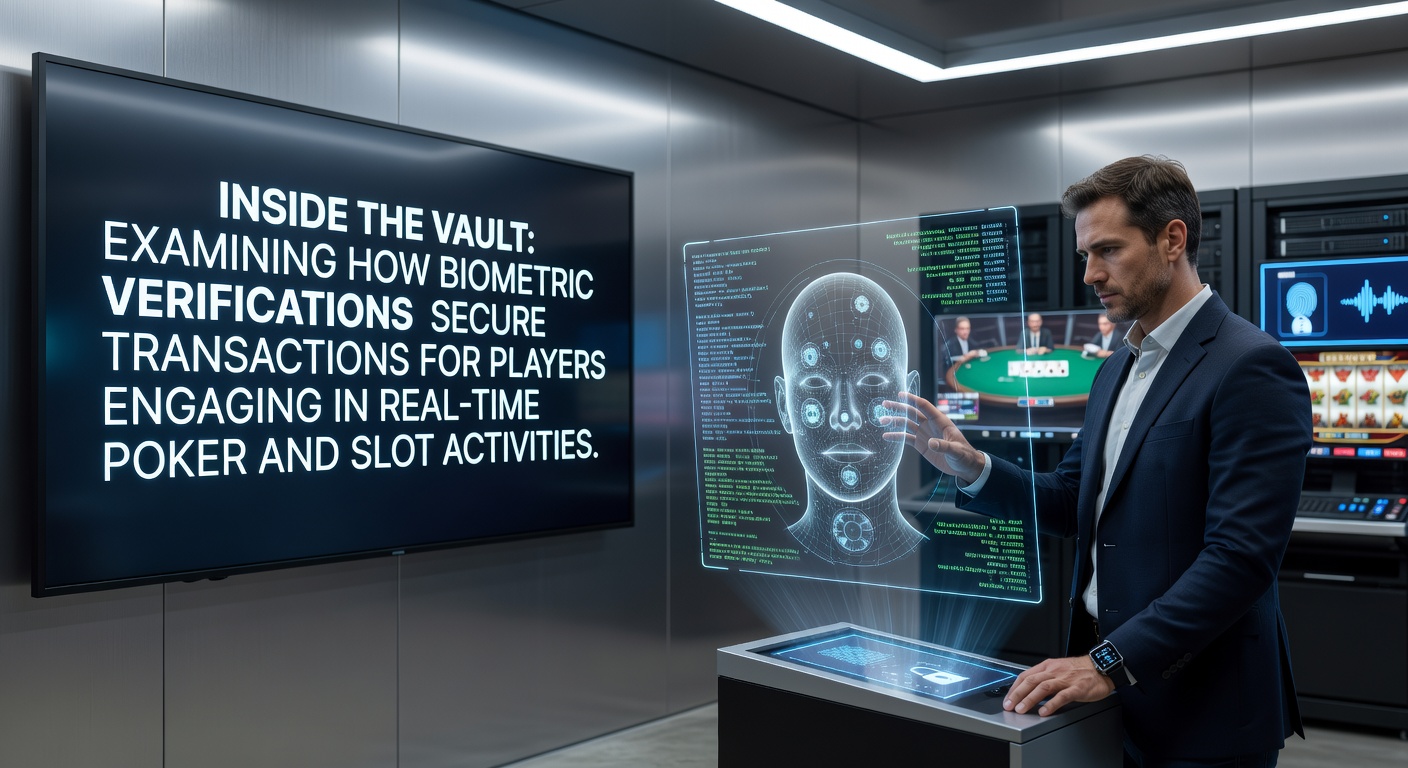
Inside the Vault: Examining How Biometric Verifications Secure Transactions for Players Engaging in Real-Time Poker and Slot Activities
Biometric verification systems have become central to transaction security in real-time poker rooms and slot platforms because they replace or supplement traditional passwords with unique physical traits such as fingerprints, facial geometry, and voice patterns. These methods confirm player identity at login, deposit, and withdrawal stages, which reduces unauthorized access and limits fraud attempts that often target account credentials. Platforms integrate sensors or camera-based scanners directly into mobile apps and desktop clients so users complete checks in seconds rather than minutes.
Operators began scaling these tools after regulatory updates in several jurisdictions required stronger identity controls for financial movements. In May 2026, industry tracking showed increased deployment across North American and European markets where real-money play volumes continue to rise. The technology pairs with encryption layers to create an audit trail that links each transaction to a verified individual rather than an email or username alone.
How Biometric Systems Operate in Gaming Environments
Modern solutions capture multiple data points during enrollment and compare live samples against stored templates using algorithms that tolerate minor variations in lighting or angle. Facial recognition, for instance, maps distances between eyes, nose, and jawline while infrared cameras handle low-light conditions common in evening play sessions. Fingerprint readers embedded in phones or external devices add another layer that works even when cameras are unavailable.
Voice biometrics analyze pitch, cadence, and spectral features during spoken phrases that players repeat at random intervals. Because these traits remain stable over time, platforms refresh templates periodically to account for natural changes such as aging or temporary illness. Researchers at institutions studying secure digital identities note that multi-modal systems, which combine two or more biometric types, achieve lower false-acceptance rates than single-method setups.
Application in Real-Time Poker Transactions
Live poker environments demand rapid identity confirmation because players move chips, buy-ins, and cash-outs while tables remain active. Biometric checks occur at the moment a deposit request is submitted so funds reach the table balance without exposing card or bank details repeatedly. When a player initiates a withdrawal after a tournament win, the system prompts a quick facial scan that matches the original enrollment data before releasing the transfer.
One study of platform logs revealed that biometric gates cut account-takeover incidents by more than half compared with password-only flows. Observers note that poker operators also use continuous monitoring during long sessions, re-authenticating at set intervals or after large bet spikes. This approach keeps the game flowing while maintaining security standards required by licensing bodies.
Securing Slot Play and Instant Payouts
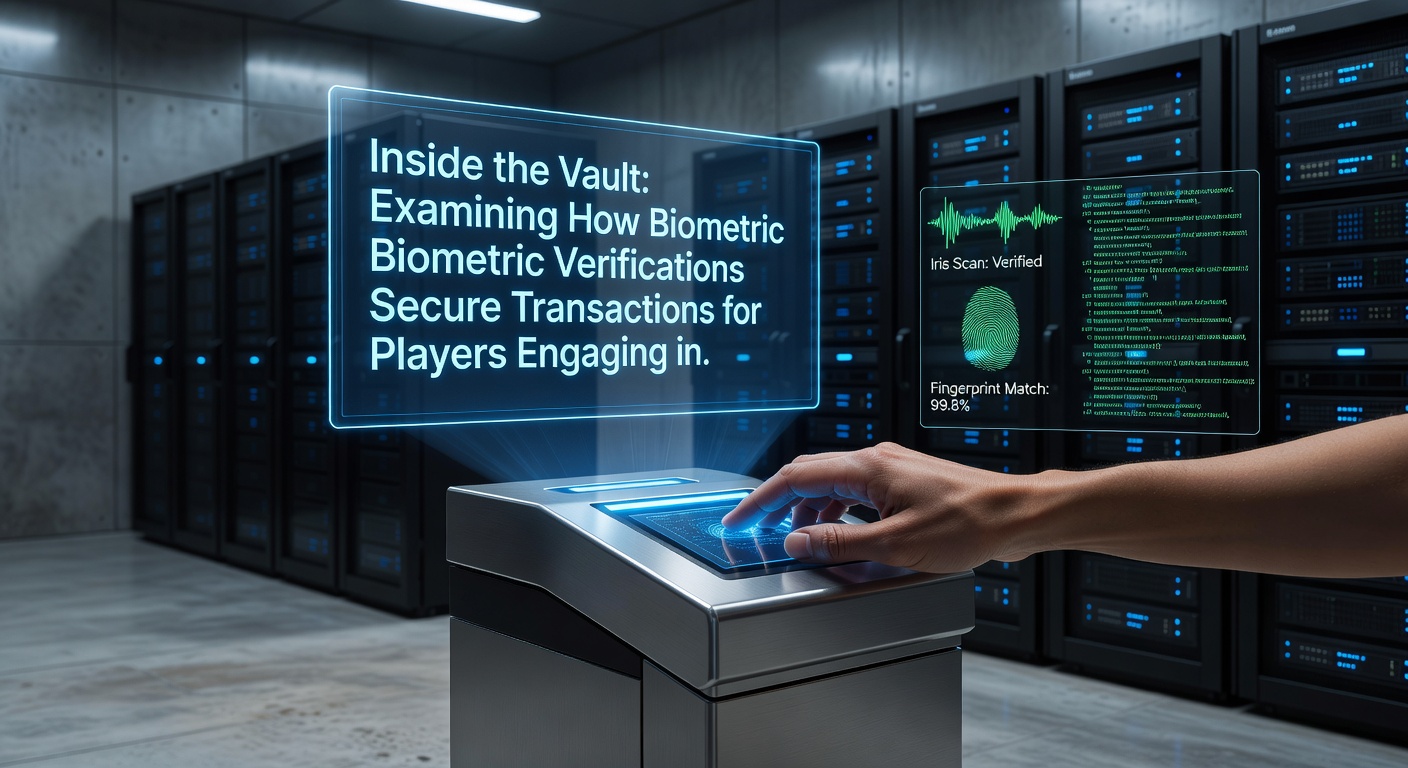
Slot platforms rely on the same verification backbone yet face different usage patterns because sessions often involve many small bets followed by occasional larger withdrawals. Players who hit progressive jackpots must pass biometric review before the platform processes six-figure transfers, which protects both the operator and the winner from disputes over account ownership. Data from transaction processors shows that same-day payouts become feasible once identity is confirmed through non-repudiable biometric markers.
Operators link these checks to responsible-gaming tools so limits on deposit frequency or loss thresholds tie directly to the verified profile. When a player attempts to exceed preset boundaries, the system flags the action and may require an additional voice sample before proceeding. This integration helps platforms comply with varying regional rules without slowing gameplay for compliant users.
Regulatory Context and Adoption Trends in 2026
According to figures published by the Nevada Gaming Control Board, biometric adoption among licensed online operators reached record levels by spring 2026. Regulators in other regions, including those overseen by the Alderney Gambling Control Commission, have issued guidance that encourages or requires these methods for high-value movements. Standards developed by the National Institute of Standards and Technology provide testing frameworks that vendors use to demonstrate accuracy across diverse populations.
Platforms report that player acceptance has grown as devices ship with reliable sensors and users become familiar with similar checks in banking apps. Training materials supplied by operators explain the enrollment process and data-retention policies so participants understand how templates are stored and protected. Encryption at rest and in transit follows protocols that meet or exceed financial-industry benchmarks.
Privacy Considerations and Technical Safeguards
Biometric data requires careful handling because unlike passwords it cannot be changed if compromised. Providers therefore store only mathematical representations rather than raw images or recordings, and they keep these templates on secure servers separate from payment information. Regular third-party audits assess whether systems resist spoofing attempts such as printed photos or synthetic voice recordings.
Players retain options to use alternative verification paths when biometrics are unavailable, although those routes may involve longer manual reviews. Industry associations emphasize transparency reports that disclose how often biometric data is accessed and for what purposes. Such disclosures help maintain trust while the underlying technology continues to evolve.
Conclusion
Biometric verification now forms a core component of transaction security for real-time poker and slot activities. The combination of facial, fingerprint, and voice methods creates multiple independent checks that link each financial action to a verified individual. As of May 2026, regulatory support and device-level improvements have accelerated adoption across major markets. Continued refinement of multi-modal systems and adherence to established technical standards position these tools to handle growing transaction volumes while preserving player confidence in platform integrity.