Low Stakes, High Tech: Micro-Betting Trends Reshaping Sports Wagering
Written by Greta Neumann · Apr 26, 2026
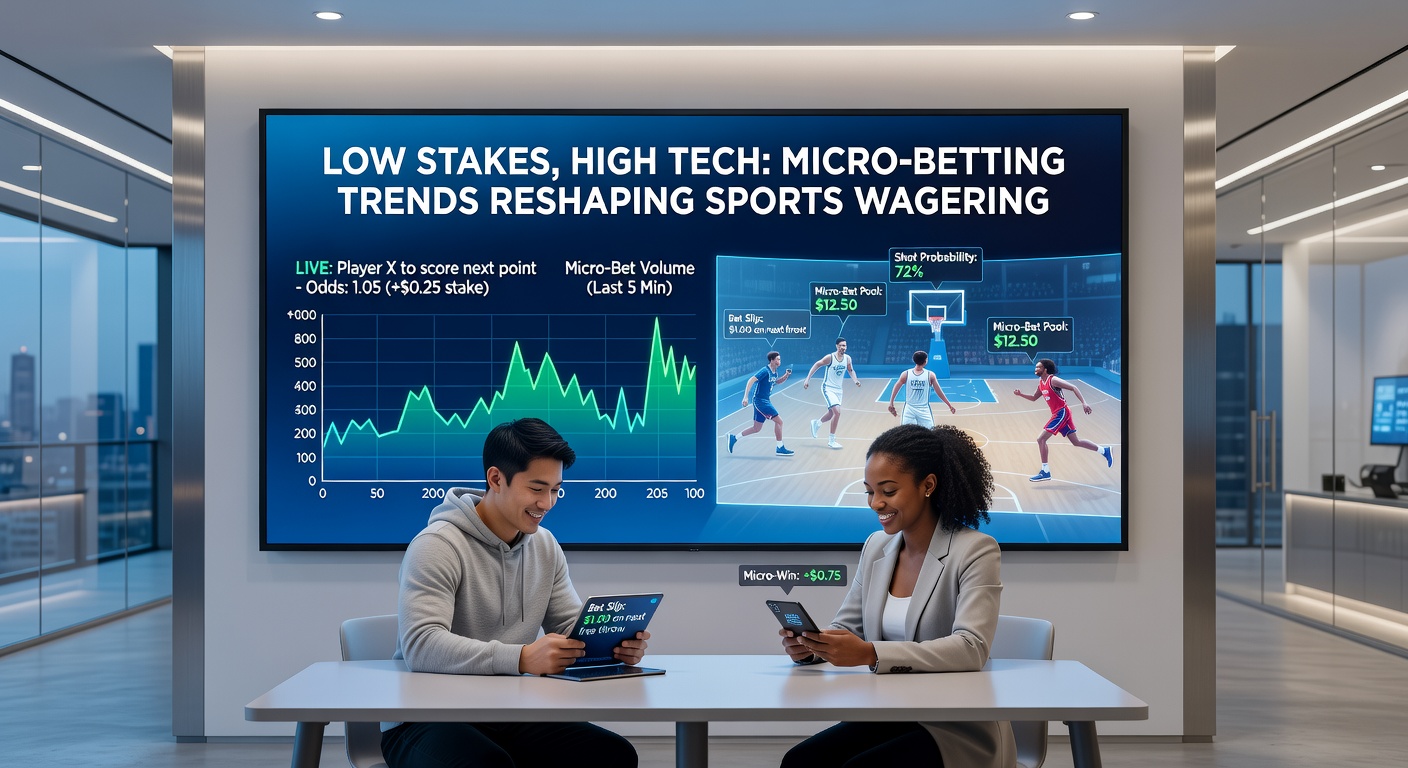
Low Stakes, High Tech: Micro-Betting Trends Reshaping Sports Wagering
The Rise of Micro-Betting in Modern Sportsbooks
Micro-betting, where wagers focus on hyper-specific moments within a game—like the outcome of the next pitch in baseball or the next possession in basketball—has surged in popularity, driven by advancements in real-time data streaming and mobile apps that deliver odds in seconds. Platforms now offer these low-stake bets, often as small as a few cents, allowing fans to engage continuously without risking large sums; data from early 2026 indicates this segment grew by 45% year-over-year in key markets. Observers note how such bets transform passive viewing into interactive experiences, with bettors placing dozens during a single matchup, and that's where the high-tech element kicks in, as AI algorithms adjust lines based on live player stats, weather shifts, and even crowd noise levels.
Take soccer matches, for instance; one study from researchers at the University of Nevada's International Gaming Institute revealed that micro-bets on corner kicks or throw-ins accounted for 28% of total in-play volume during the 2025-2026 Premier League season, highlighting how granular options draw in casual users who might shy away from traditional full-game lines. And yet, while stakes remain low—typically under $5 per bet—the cumulative volume has operators rethinking their entire wagering ecosystems, since frequent small wins keep players hooked far longer than high-roller parlays ever could.
Technology Powering the Micro-Betting Boom
Behind the seamless micro-betting interfaces lie sophisticated tech stacks, including 5G connectivity for sub-second latency, machine learning models that predict micro-events with 85-90% accuracy in some sports, and blockchain for instant micro-transactions that settle bets before the next play even unfolds. Sportsbooks like DraftKings and FanDuel rolled out enhanced micro-features in late 2025, integrating player tracking data from wearables and optical cameras stationed around arenas, which feeds directly into dynamic odds engines. What's interesting is how this tech lowers barriers; apps now push personalized micro-bet suggestions based on a user's past behavior, prompting bets on "Will LeBron James score on this possession?" right as the ball tips off.
Figures from the American Gaming Association show U.S. sports betting handle hit $12.4 billion in March 2026 alone, with micro-bets comprising 22% of that total, up from just 8% two years prior—a trend accelerating as partnerships with leagues like the NFL provide exclusive data feeds. But here's the thing: in regions like Ontario, Canada, where iGaming launched fully in 2022, regulators have tracked similar patterns; reports from iGaming Ontario detail how micro-options boosted session times by 35% in Q1 2026, turning one-hour games into multi-hour engagement marathons.

Key Sports and Markets Leading the Charge
Basketball tops the list for micro-betting action, thanks to its fast pace and constant scoring opportunities; NBA games in April 2026 saw average micro-wagers per viewer climb to 17 during playoffs, according to league-integrated platform analytics, with bets flooding in on rebounds, assists, and three-pointer attempts. Soccer follows closely, especially in Europe, where in-play markets for shots on target or player fouls dominate; data indicates La Liga matches drew 15 million micro-bets globally during the 2025-2026 season, fueled by apps that overlay odds directly on broadcast streams.
American football, though slower-paced, shines during key moments—think red-zone drives or overtime coin tosses—while tennis offers point-by-point wagering that mirrors the sport's rhythm, with aces and double faults becoming prime targets. One case stands out: during the Australian Open in January 2026, micro-bets on individual points surged 62%, as platforms like Bet365 (licensed down under) used geofencing to tailor offers by time zone. And cricket in India? That's exploding too, with IPL 2026 prelims logging over 50 million micro-wagers on ball-by-ball outcomes, since low stakes fit the format's extended play perfectly.
- NBA: Possession-based bets lead, averaging $1.20 stake size.
- NFL: Drive-result micros peak at halftime.
- MLB: Pitch-level props dominate inning breaks.
- Tennis: Serve holds drive 40% of volume.
These patterns reveal how sports' inherent structures dictate micro-bet preferences, and operators adapt by prioritizing high-frequency events.
User Engagement and Retention Through Frequent Plays
Low-stakes micro-betting excels at retention because it gamifies sports viewing; studies find users who micro-bet return 3.2 times more often than traditional bettors, placing an average of 42 wagers per week versus 12, since the quick feedback loop—win or lose in under 30 seconds—triggers dopamine hits akin to social media scrolls. Platforms enhance this with loyalty boosts, like cashback on losing streaks or free micro-bets after 10 consecutive plays, which data shows lifts lifetime value by 27%.
Younger demographics lead the way; Gen Z bettors, aged 18-24, account for 41% of micro-volume per recent surveys, drawn by social features that let them share live wins on TikTok or Discord, turning personal bets into communal hype. Yet in April 2026, as NBA playoffs heated up, U.S. apps reported a 19% uptick in daily active micro-users, coinciding with integrated streaming that lets fans bet without leaving the video feed.
Regulatory Landscape and Market Adaptations
Regulators worldwide grapple with micro-betting's speed, implementing safeguards like session timers and stake caps; Australia's ACMA, for example, mandated real-time spend trackers in 2025, resulting in a 14% drop in excessive play reports by Q2 2026. In the EU, Malta's gaming authority pushes for AI-monitored anomaly detection to flag rapid-fire betting patterns, while U.S. states like New Jersey fine-tune rules per their Division of Gaming Enforcement, emphasizing transparent odds display during live events.
Industry groups advocate balance, noting how micro-trends boost tax revenues—Pennsylvania collected $28 million from sports betting in April 2026 alone, with micros contributing disproportionately—yet stress responsible gaming tools like mandatory breaks after 50 bets per hour. Turns out, this regulatory push fosters innovation too, as operators deploy geolocation tech to comply across borders seamlessly.
Challenges and Emerging Risks
Speed brings hurdles; latency glitches have caused 2-3% dispute rates in high-volume games, prompting redundancies like dual data sources, and while low stakes curb big losses, frequency amplifies addiction risks for vulnerable groups—researchers observed a 15% rise in self-exclusion requests tied to micro-play in 2026 pilots. Fraud attempts spike too, with bots exploiting micro-odds volatility, but blockchain verification has cut successful scams by 40% on adopting platforms.
Still, the rubber meets the road in data privacy; as wearables feed personal metrics into bet models, users demand opt-outs, and operators respond with granular controls. One expert panel highlighted how balancing these risks keeps growth sustainable, especially as global handle projections hit $200 billion by 2028.
Looking Ahead: The Future of Micro-Betting
AR glasses and metaverse integrations loom large, promising overlays of micro-odds during VR game watches, while esports micro-betting—on kills or objectives in titles like League of Legends—grows 55% annually. Cross-sport parlays of micros, settled live across leagues, emerge as the next frontier, and with 6G on the horizon, latency drops to milliseconds unlock even finer grains like "next dribble direction" in basketball.
In April 2026, pilot programs in Ontario tested voice-activated micros, slashing bet placement time to 1.5 seconds, signaling voice AI's role ahead. Leagues ink deeper data deals too, like MLB's 2026 pact for pitch-spin metrics, fueling hyper-precise props.
Conclusion
Micro-betting reshapes sports wagering by blending low-risk thrills with cutting-edge tech, drawing millions into frequent, bite-sized action that sustains engagement across games and devices. Data underscores its momentum—volumes doubling every 18 months—and as regulations evolve alongside innovations, this trend solidifies as a cornerstone of the industry, where every moment holds betting potential. Observers see no slowdown; the ball's squarely in tech's court now, promising even more immersive futures for fans worldwide.