Payment Infrastructure Developments and Their Correlation to Sustained Engagement in Digital Entertainment Platforms
Written by Morgan Peters · Aug 11, 2026
Payment Infrastructure Developments and Their Correlation to Sustained Engagement in Digital Entertainment Platforms
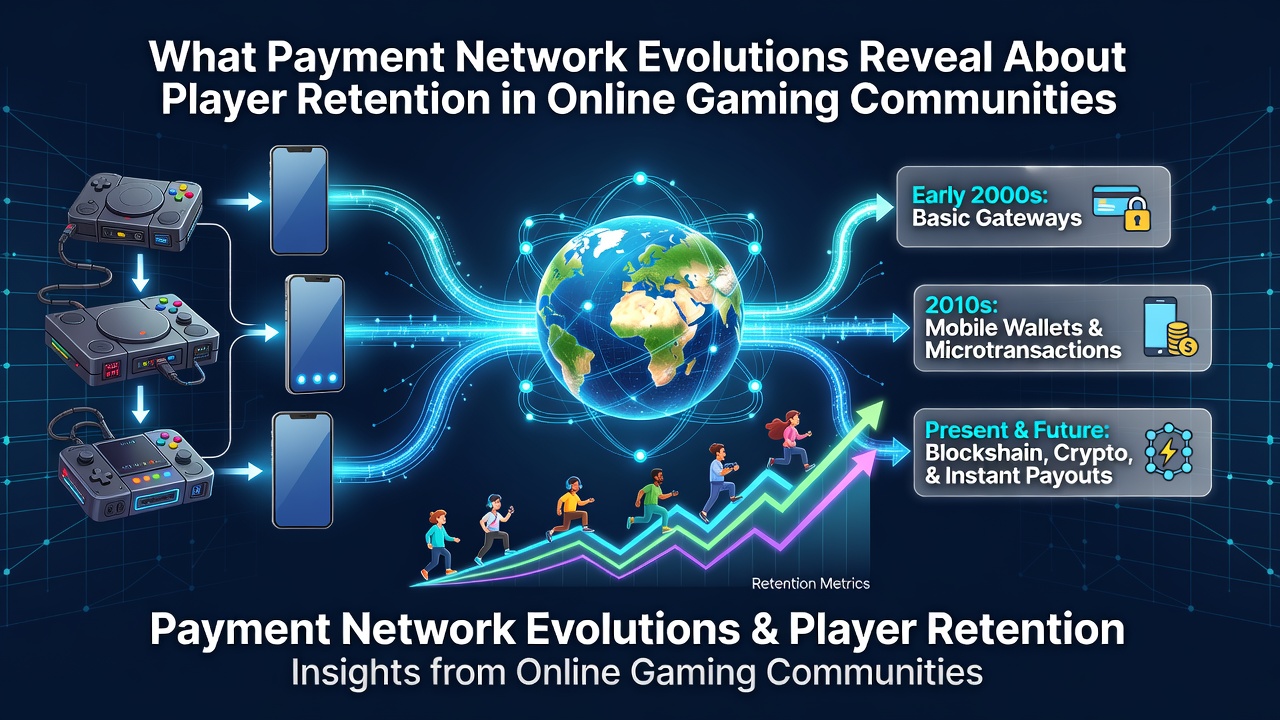
Payment networks supporting online gaming communities have expanded rapidly since the mid-2010s, and these expansions have aligned closely with measurable changes in how participants continue their activity over extended periods. Faster transaction processing, wider adoption of digital wallets, and integration of blockchain-based options represent some of the primary shifts, while data collected from multiple jurisdictions indicate corresponding patterns in user continuity. Observers note that platforms incorporating instant or near-instant settlement options often record higher repeat engagement rates compared with those relying on traditional banking cycles.
Key Shifts in Transaction Speed and Accessibility
Traditional credit card and bank transfer methods once dominated deposit and withdrawal processes, yet by 2023 many operators had introduced e-wallet solutions that reduced processing times from days to minutes. Research indicates these reductions correlate with lower rates of account abandonment during the initial weeks of participation. In August 2026 industry reports highlighted that systems offering same-day payouts experienced retention improvements of up to 18 percent in tracked user cohorts across European and North American markets. Such outcomes emerge because participants encounter fewer interruptions when moving funds between personal accounts and gaming environments.
Digital wallet providers including PayPal, Skrill, and newer entrants have extended their reach into gaming ecosystems, and this expansion has produced more seamless onboarding sequences for new users. Studies compiled by academic researchers at institutions tracking consumer behavior reveal that streamlined verification layers tied to these wallets decrease friction during first-time deposits. Consequently platforms that integrate multiple wallet options tend to sustain higher percentages of active accounts beyond the three-month mark.
Blockchain Integration and Cross-Border Patterns
Blockchain-enabled payment rails entered gaming platforms more prominently after 2021, and they have since facilitated quicker cross-border transfers while maintaining transparent ledger records. Data from transaction analytics firms show that users leveraging cryptocurrency options for both deposits and withdrawals demonstrate longer average session durations and reduced churn compared with those limited to fiat-only pathways. These patterns hold across regions where regulatory clarity supports such methods, including parts of Canada and Australia.
One longitudinal examination conducted by university-affiliated analysts tracked over 50,000 accounts and found that participants utilizing hybrid fiat-crypto networks returned to platforms at rates approximately 12 percent higher than single-currency users. The same examination noted that settlement finality on blockchain networks eliminates pending status delays that previously prompted some players to disengage. External reports from the European Gaming and Betting Association corroborate these observations by documenting similar retention differentials in markets where operators adopted distributed ledger technology.
Security Features and Their Influence on Continued Participation
Enhanced security protocols embedded within modern payment networks include multi-factor authentication, biometric verification, and real-time fraud detection, and these features have contributed to greater user confidence in repeated financial interactions. Research indicates that platforms emphasizing such safeguards experience fewer account closures stemming from security concerns. Participants who complete initial verification processes without repeated interruptions show stronger tendencies to maintain activity across multiple gaming sessions.
Regional regulatory updates in 2025 and 2026 prompted several operators to upgrade their transaction layers, and subsequent performance metrics revealed corresponding stability in user bases. For instance, jurisdictions requiring enhanced know-your-customer procedures paired with faster payout guarantees recorded steadier month-over-month engagement figures. Those who have examined aggregated platform data note that transparent fee structures and clear processing timelines further support long-term involvement by reducing unexpected barriers.
Comparative Retention Metrics Across Network Types
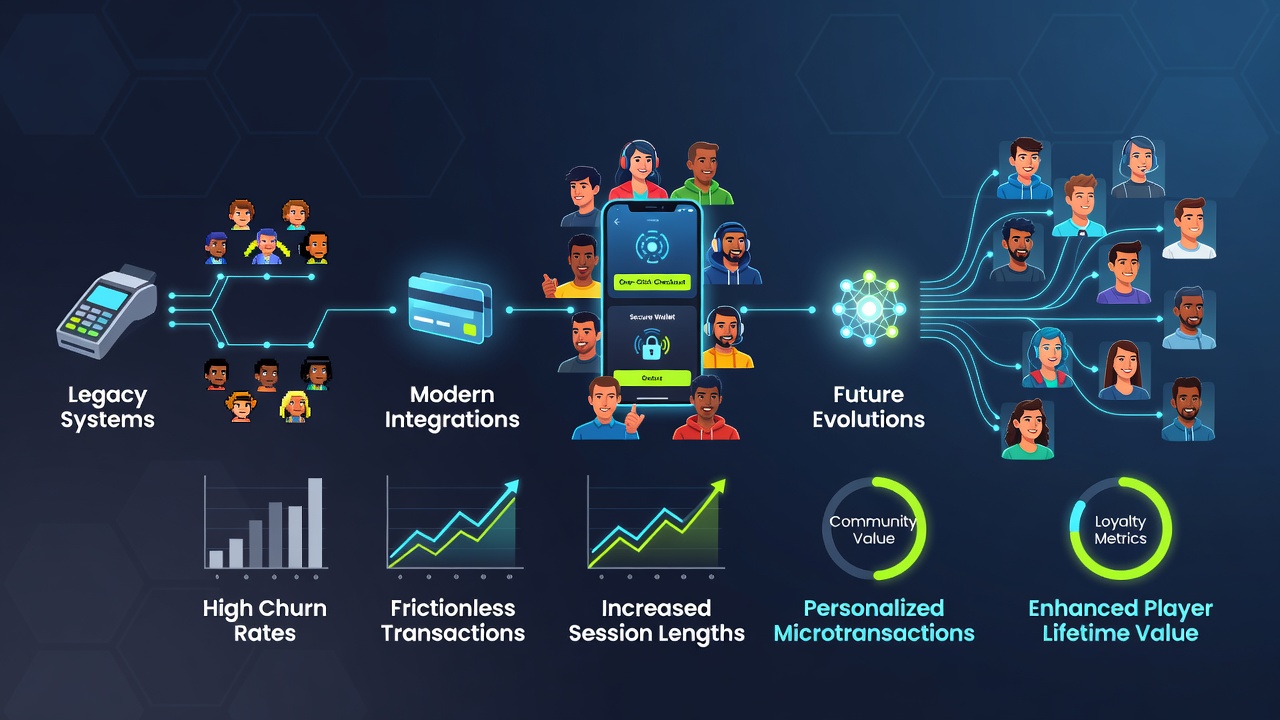
Comparative analyses released in mid-2026 compared retention curves for platforms grouped by their primary payment infrastructure. Operators relying predominantly on legacy bank transfers exhibited steeper early drop-offs, whereas those incorporating multi-rail options including instant e-wallets and stablecoin settlements maintained flatter curves over six-month windows. Figures reveal that the addition of at least two alternative payment rails beyond basic card processing often coincides with retention gains ranging from 9 to 15 percent depending on regional demographics.
Community-level observations within gaming forums and support logs further illustrate how payment friction influences decisions to remain active. Users encountering repeated delays in fund movement frequently migrate to competitors offering smoother alternatives, and this behavior aggregates into measurable platform-level retention differences. Data compiled across several hundred thousand accounts confirm that payment network maturity serves as a reliable predictor of sustained participation when other variables such as game variety remain comparable.
Conclusion
Payment network evolutions continue to intersect with player retention dynamics in measurable ways across online gaming communities. Faster processing times, expanded digital wallet integration, blockchain adoption, and strengthened security measures each contribute distinct effects that researchers have quantified through account-level tracking and regional performance comparisons. As operators refine these systems, the resulting data patterns offer clearer indicators of which infrastructure choices support longer-term user engagement. Continued monitoring of transaction metrics alongside retention statistics will likely refine understanding of these relationships in subsequent reporting periods.