Seasonal Event Tie-Ins That Shift Participation Patterns in Digital Reel Experiences Across Multi-State Platforms
Written by Olivia Brooks · Jun 19, 2026
Seasonal Event Tie-Ins That Shift Participation Patterns in Digital Reel Experiences Across Multi-State Platforms
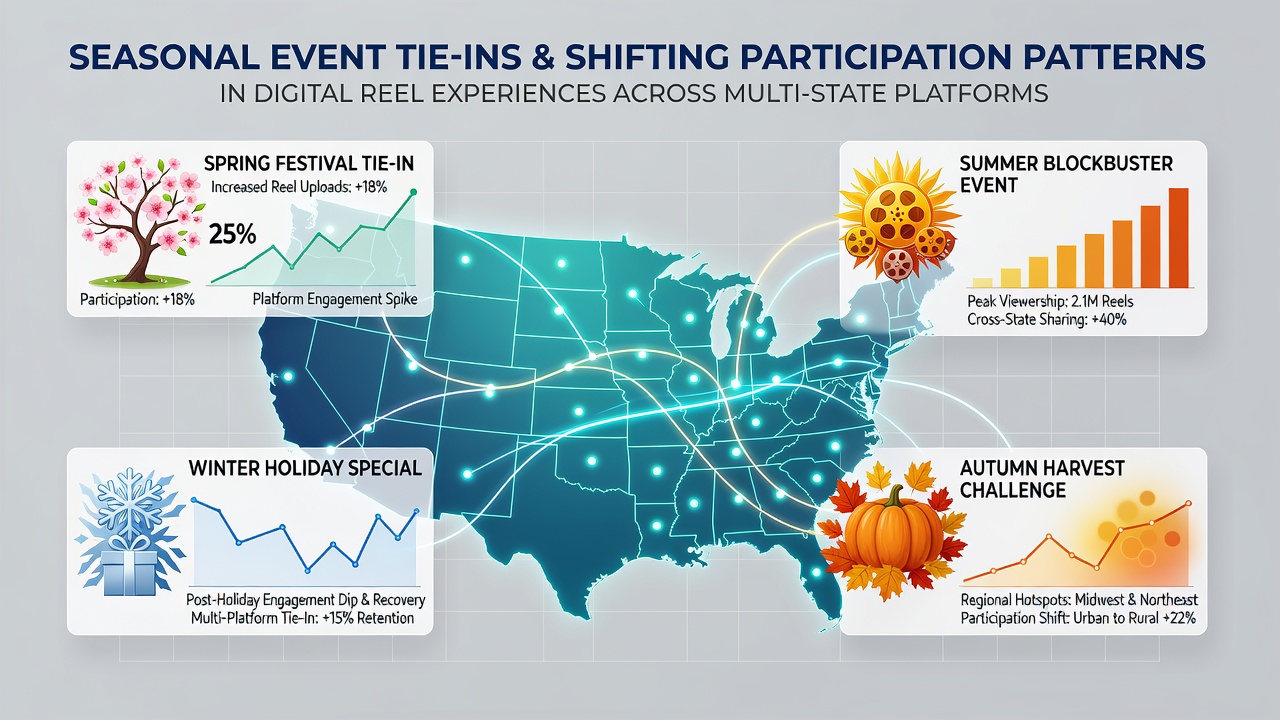
Seasonal events create distinct changes in how users interact with digital reel experiences on platforms that operate across multiple states, and data from various regulatory bodies show consistent patterns in login frequency, game selection, and session duration during these periods. Summer festivals in June 2026, for instance, have prompted operators to introduce limited-time reel mechanics tied to outdoor themes, which researchers have tracked through aggregated platform metrics.Understanding Cross-Platform Dynamics
Platforms licensed in states such as New Jersey, Pennsylvania, adn Michigan allow users to access the same reel libraries while subject to different jurisdictional rules, and seasonal tie-ins adjust participation by aligning game features with calendar events. Observers note that these alignments often coincide with increased mobile sessions because users respond to themed bonuses that reset daily or weekly.
Evidence from transaction logs indicates that players shift toward progressive reel titles during event windows, while base game engagement dips in favor of limited-edition variants. This redistribution occurs because operators synchronize content releases with holidays or sports seasons, creating unified experiences that span state boundaries without violating local regulations.
Measured Shifts in User Behavior
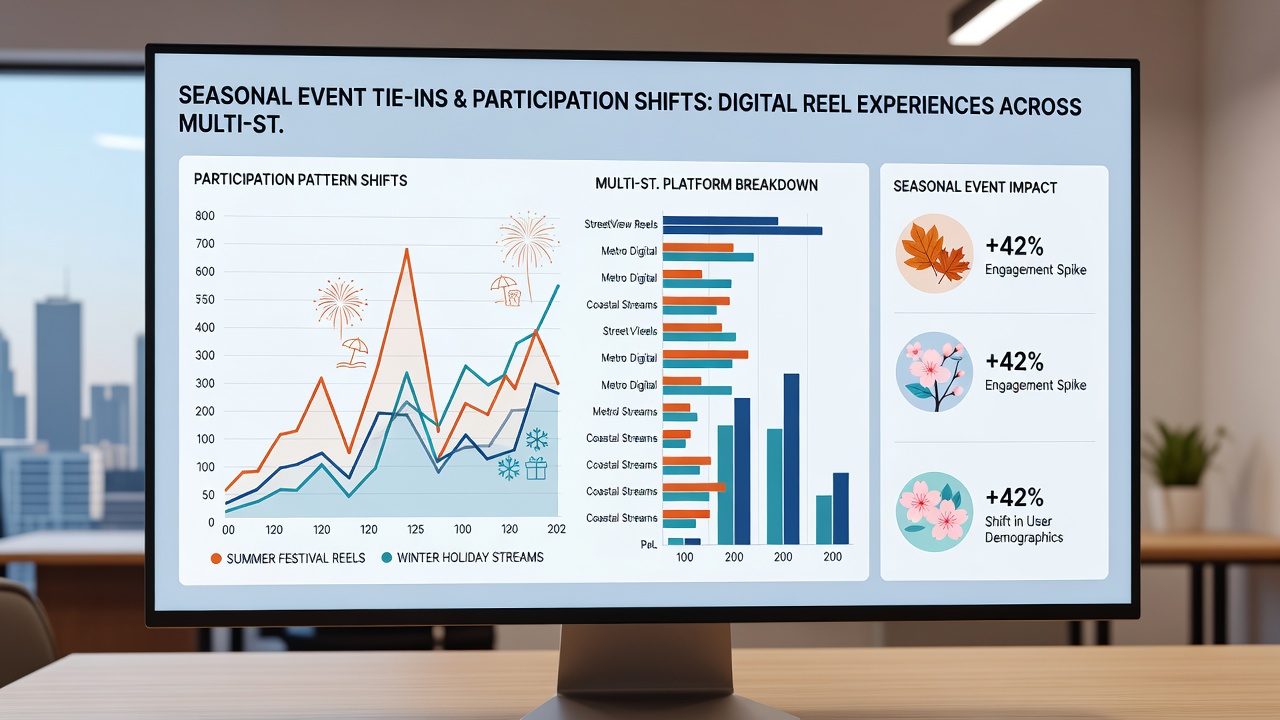
Studies compiled by the University of Nevada, Las Vegas Center for Gaming Research reveal that participation in digital reels rises between 18 and 27 percent during major seasonal campaigns when compared with non-event weeks. These increases appear across age groups, though younger demographics show stronger preferences for mobile-first interfaces that update in real time.
What's notable is how multi-state operators use shared backend systems to deliver consistent event progressions, even as each jurisdiction maintains separate player funds and compliance checks. Data indicates that users who maintain accounts in two or more states often complete event challenges faster, because they can access overlapping reel titles under different regulatory frameworks.
Regional Variations and Regulatory Context
June 2026 summer promotions have highlighted differences in how states handle seasonal content. In markets where sports betting and reels share the same app ecosystem, operators report that event tie-ins draw users from sports sections into reel play during off-peak athletic periods. Figures released by state gaming agencies show corresponding rises in reel handle that offset slower periods in other verticals.
Operators must still adhere to advertising blackout periods and responsible gaming prompts that vary by state, yet the underlying reel mechanics remain synchronized. This setup allows platforms to test event features in one jurisdiction before wider rollout, reducing development costs while maintaining compliance.
Technical Implementation Across Jurisdictions
Backend systems employ geofencing and account-level flags to ensure that seasonal features activate only for eligible users, and these controls help explain why participation patterns differ even when the same reel title appears in multiple states. Technical audits confirm that bonus triggers and leaderboard resets function uniformly once location verification passes.
Analysts at the Australian Institute of Family Studies have examined similar cross-border mechanics in other markets and found that seasonal events produce temporary but repeatable changes in session length and deposit frequency. The same principles apply to U.S. multi-state platforms where shared progressive jackpots sometimes link to event milestones.
Longer-Term Participation Trends
Longitudinal data collected over multiple event cycles shows that users who engage with seasonal reel tie-ins tend to return during subsequent campaigns, creating cyclical spikes rather than permanent increases in overall activity. Platforms track these returns through cohort analysis that separates event-driven play from baseline behavior.
Because each state maintains its own tax and reporting structures, operators compile separate datasets before aggregating anonymized trends. This process reveals that certain reel mechanics, such as collectible symbols tied to summer themes, sustain engagement across state lines more effectively than generic bonus rounds.
Conclusion
Seasonal event tie-ins continue to reshape how participants interact with digital reel experiences on platforms spanning multiple states. The combination of synchronized content, location-aware controls, and measurable behavioral shifts provides operators and regulators with clear data on engagement cycles. As June 2026 events conclude, analysts expect similar patterns to repeat during fall campaigns, supported by ongoing refinements in cross-jurisdictional technology.