Security Frameworks Shaping Transaction Pathways in Cross-Border Mobile Wagering Networks
Written by Olivia Schmidt · Aug 7, 2026
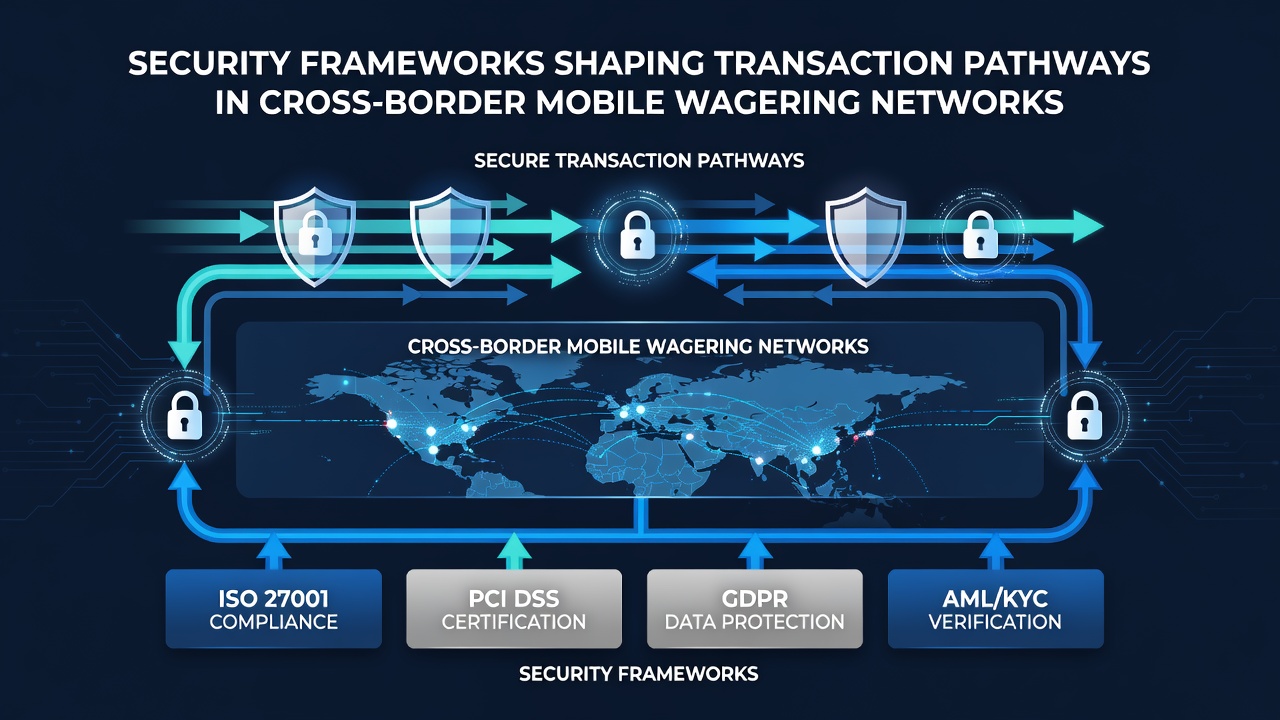
Security Architectures Influencing Payment Flows Within International Mobile Betting Ecosystems
Security frameworks establish the core pathways for transactions in cross-border mobile wagering networks, where multiple layers of encryption, verification, and regulatory alignment determine how funds move between jurisdictions. These systems integrate technical standards with compliance requirements, creating structured routes that operators must follow when processing deposits and withdrawals across borders. Data from industry reports shows that such frameworks reduce unauthorized access incidents by channeling activity through certified gateways and monitored endpoints. Operators in this space rely on protocols like Transport Layer Security for data in transit, while storage mechanisms incorporate advanced encryption standards to protect user credentials and transaction histories. Compliance with anti-money laundering directives adds another dimension, requiring real-time screening tools that flag suspicious patterns before funds advance along the pathway. As of August 2026, several networks have updated their verification sequences to incorporate biometric checkpoints at multiple stages, ensuring each transfer aligns with both local rules and international data protection measures.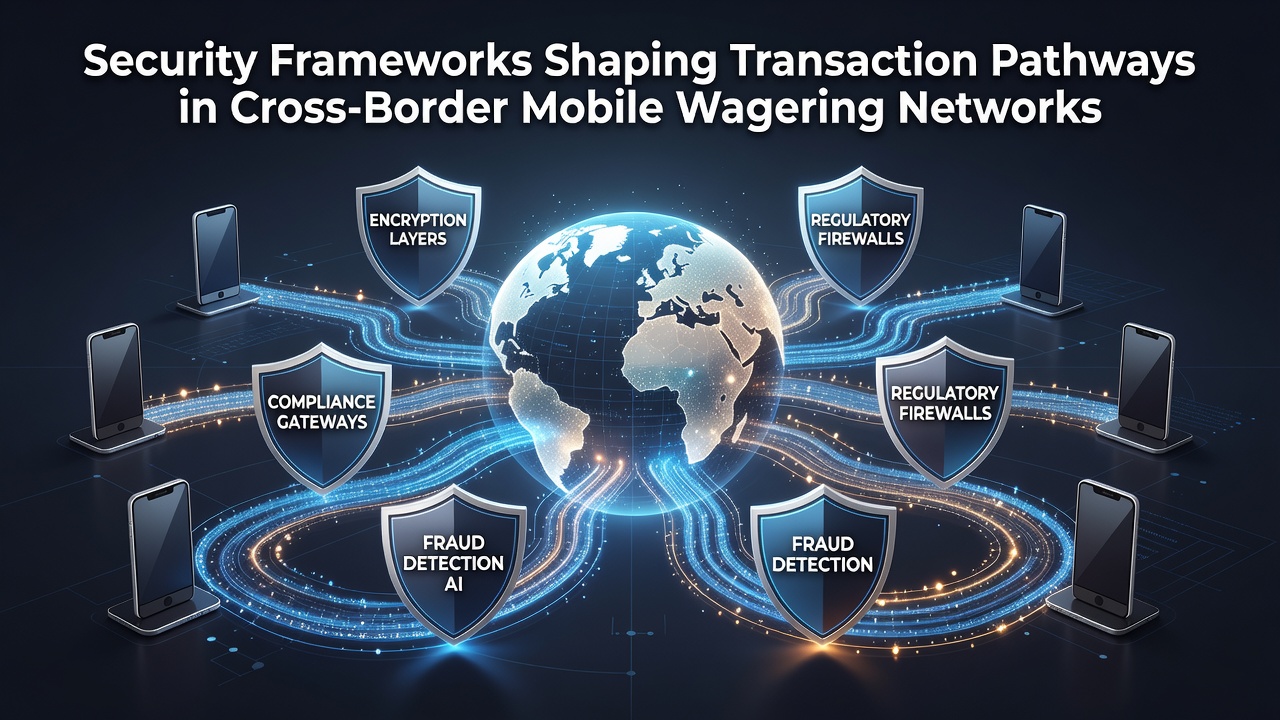
Security frameworks establish the core pathways for transactions in cross-border mobile wagering networks, where multiple layers of encryption, verification, and regulatory alignment determine how funds move between jurisdictions. These systems integrate technical standards with compliance requirements, creating structured routes that operators must follow when processing deposits and withdrawals across borders. Data from industry reports shows that such frameworks reduce unauthorized access incidents by channeling activity through certified gateways and monitored endpoints. Operators in this space rely on protocols like Transport Layer Security for data in transit, while storage mechanisms incorporate advanced encryption standards to protect user credentials and transaction histories. Compliance with anti-money laundering directives adds another dimension, requiring real-time screening tools that flag suspicious patterns before funds advance along the pathway. As of August 2026, several networks have updated their verification sequences to incorporate biometric checkpoints at multiple stages, ensuring each transfer aligns with both local rules and international data protection measures.Core Components of Transaction Security
Payment pathways begin with identity verification layers that combine know-your-customer processes and device authentication. These steps feed into centralized ledgers where risk-scoring algorithms assess each request against historical patterns from similar cross-border activities. Researchers at academic institutions have documented how these algorithms draw from global datasets to assign risk scores, which then dictate whether a transaction proceeds directly or routes through additional review nodes. Encryption modules sit at every junction, converting sensitive details into ciphertext that remains unreadable during transit. Standards bodies have established baseline requirements for key lengths and rotation schedules, while regional regulators impose stricter variations in certain markets. Observers note that networks handling high volumes of mobile activity often deploy hardware security modules to manage cryptographic keys, reducing exposure points where breaches could occur.Regulatory Alignment Across Jurisdictions
Cross-border operations demand simultaneous adherence to multiple regulatory regimes, each shaping how transaction data flows and gets stored. European directives on digital services require detailed logging of all movements, whereas frameworks in other regions emphasize consumer protection through mandatory cooling-off periods before large withdrawals complete. Those who manage these networks report that mapping these requirements involves creating dynamic routing tables that adjust based on the origin and destination of each wager. Industry organizations have published guidance documents outlining best practices for synchronizing these rules into unified platforms. One such report from the European Gaming and Betting Association details how operators implement modular compliance engines that activate specific checks depending on the user's location and transaction size. This approach prevents bottlenecks while maintaining audit trails that regulators can access on demand.