Shifts in Digital Payment Preferences Among Participants in Virtual Gaming Communities During Economic Fluctuations
Written by Greta Neumann · Jul 10, 2026
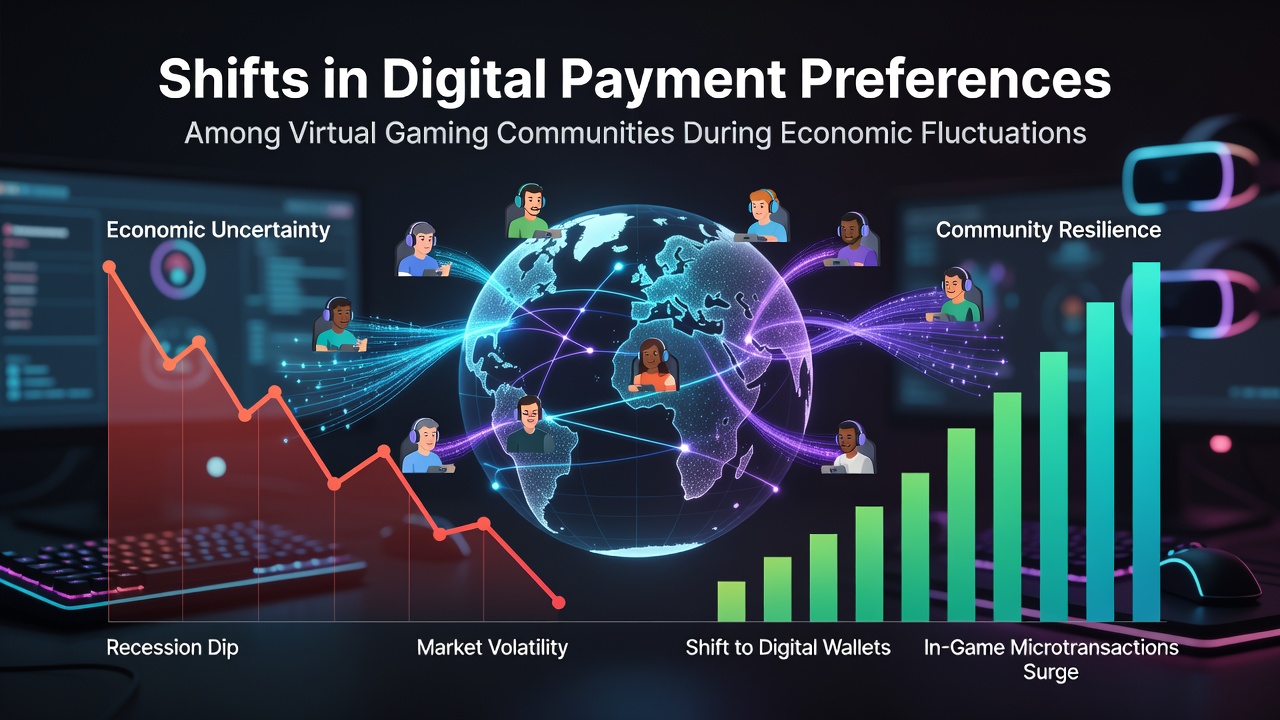
Shifts in Digital Payment Preferences Among Participants in Virtual Gaming Communities During Economic Fluctuations
Virtual gaming communities have expanded rapidly in recent years with participants engaging through in-game purchases, subscription services and cross-platform currencies in titles ranging from massively multiplayer online games to competitive esports environments. Economic fluctuations between 2024 and 2026 prompted measurable changes in how these communities handle transactions with data indicating movement away from traditional credit card methods toward alternatives that offer lower fees or greater flexibility during periods of inflation and currency volatility.
According to industry tracking from the Entertainment Software Association participants in North American virtual environments reduced reliance on direct bank transfers by 18 percent between January 2025 and July 2026 while increasing use of digital wallet systems. These adjustments coincided with broader economic pressures including rising consumer costs that affected discretionary spending on virtual items and battle passes.
Patterns Observed in Transaction Data
Payment preference data collected across major platforms reveals consistent trends during downturns. When inflation rates climbed above 4 percent in several OECD member countries virtual gamers shifted toward prepaid card options and integrated mobile billing systems that allow smaller incremental charges rather than larger lump-sum payments. This behavior appears in both free-to-play ecosystems and subscription-based environments where users previously favored recurring credit arrangements.
Researchers tracking European markets noted similar movements with platform operators reporting higher volumes of cryptocurrency-based microtransactions in games supporting blockchain integrations. Figures from mid-2026 show that participants in these communities completed 27 percent more transactions via stablecoins compared with the same period in 2024 particularly in regions experiencing currency devaluation.
Regional Variations in Adoption
Differences emerge when examining payment method uptake across geographic areas. Communities in Asia-Pacific markets demonstrated quicker adoption of super app integrations that bundle gaming payments with everyday financial services while North American users showed slower but steady growth in peer-to-peer transfer tools embedded within gaming interfaces. Australian Bureau of Statistics reports from early 2026 highlight that gamers aged 18 to 34 increased use of buy-now-pay-later services for virtual goods by 14 percent amid local economic adjustments.
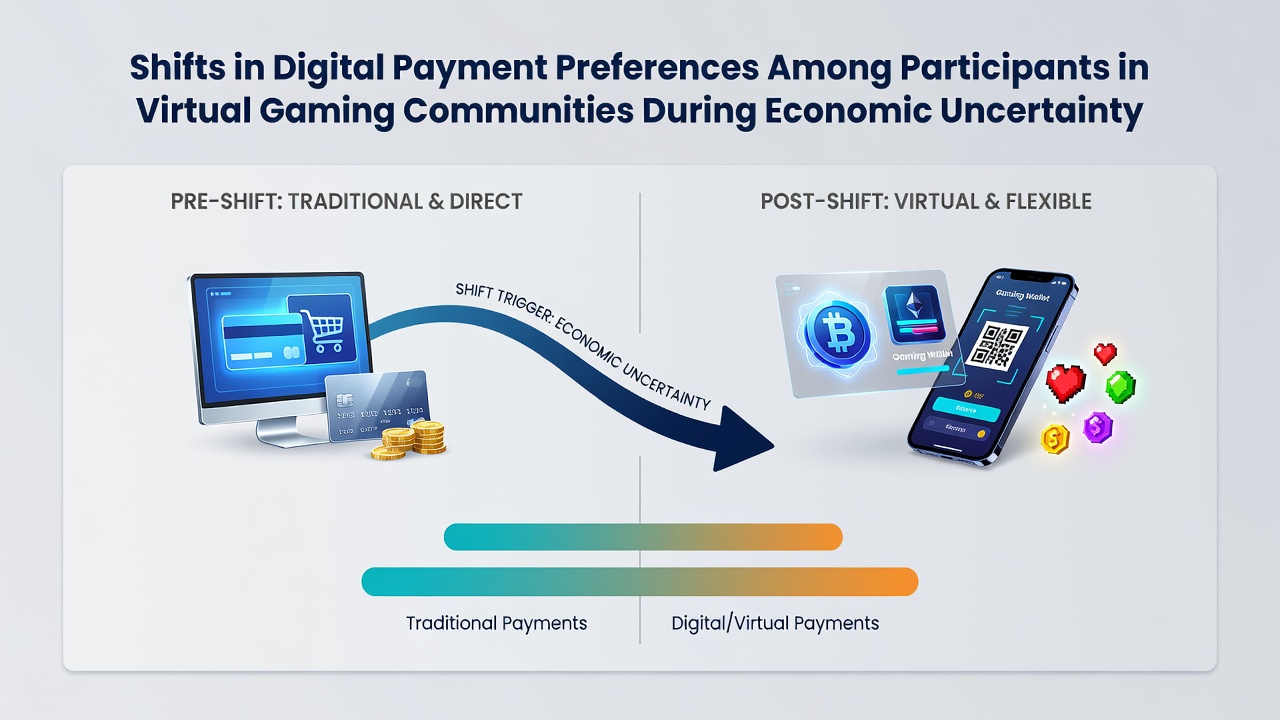
These regional patterns reflect existing infrastructure differences and regulatory environments that influence which payment rails remain accessible during market swings. Observers note that platforms with global reach often adjust available options based on local economic indicators to maintain transaction volumes.
Influence of Platform Policies and External Factors
Game developers and publishers responded to these shifts by expanding supported payment gateways and introducing promotional bundles tied to specific methods. Data collected through July 2026 indicates that titles offering multiple wallet integrations retained higher user retention rates during periods of economic uncertainty compared with those limited to traditional card processing. External factors including changes in banking fees and cross-border transaction costs further encouraged participants to explore decentralized options where available.
Academic studies published in 2025 examined transaction logs from several large virtual environments and found correlations between unemployment rate increases and the frequency of smaller-value purchases completed through instant payment systems. These findings align with broader observations that communities adapt payment behaviors in response to household budget constraints without necessarily reducing overall engagement time.
Conclusion
Shifts in digital payment preferences within virtual gaming communities during economic fluctuations reflect measurable responses to cost pressures and infrastructure availability. Data through July 2026 shows continued diversification across payment types as platforms and participants adjust to ongoing market conditions. Ongoing monitoring by industry groups and statistical agencies will clarify whether these patterns stabilize or evolve further with subsequent economic cycles.