Tracing User Navigation Habits Through Layered Verification Steps in Unified Digital Wagering Platforms
Written by Olivia Brooks · Jun 12, 2026
Tracing User Navigation Habits Through Layered Verification Steps in Unified Digital Wagering Platforms
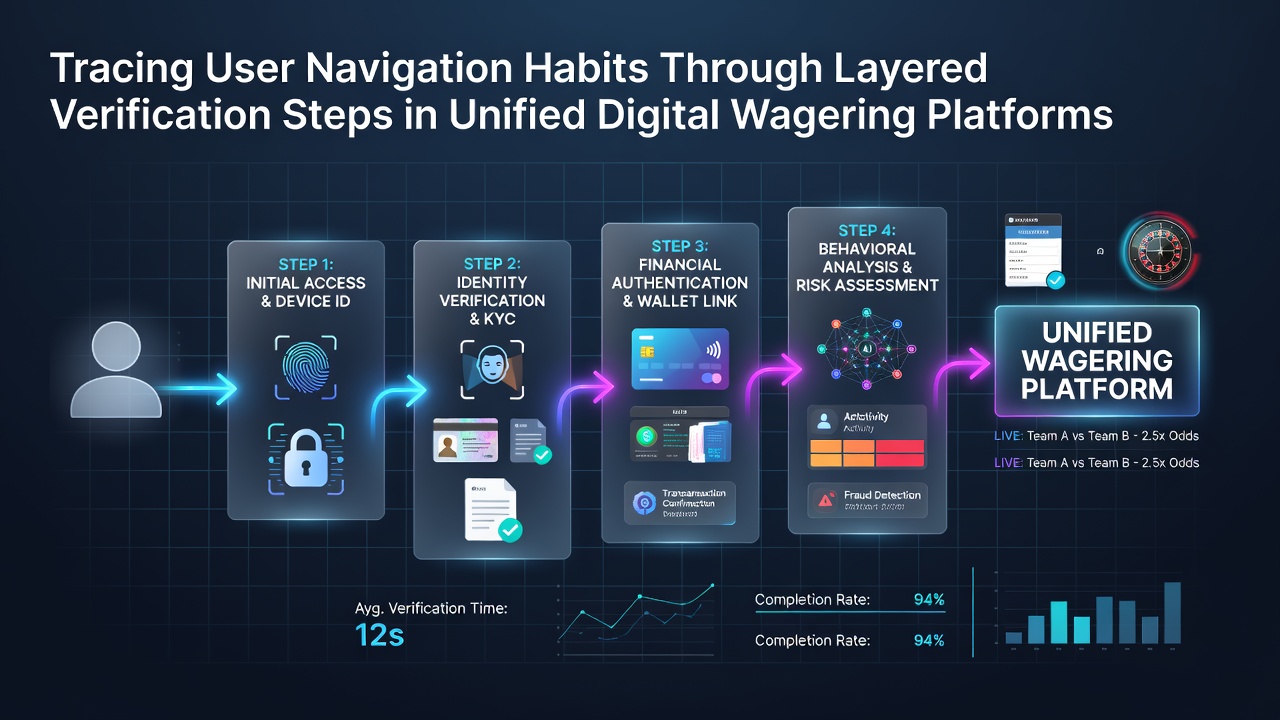
Unified digital wagering platforms combine sports betting, casino games, poker rooms and other verticals into single user accounts that require consistent identity checks at various points. These layered verification steps generate detailed logs that researchers use to map how individuals move between different sections of the platform over time.Core Components of Layered Verification
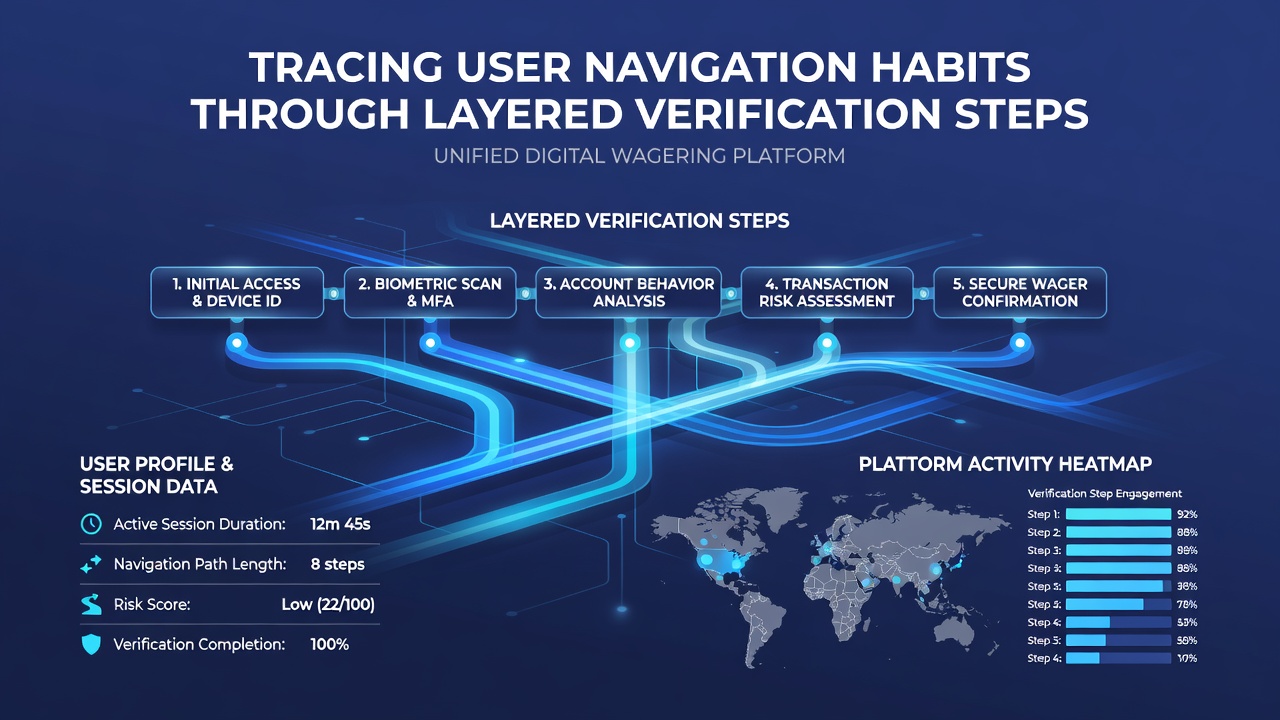
Verification typically begins with initial account creation that demands government-issued identification and proof of address, then progresses to device fingerprinting and multi-factor authentication on subsequent logins. Each step records timestamps, IP addresses, and session durations, which connect directly to the specific pages or game types a user accesses next.
Behavioral analytics tools sit on top of these basic checks and monitor mouse movements, click patterns, and navigation sequences without interrupting play. Data collected this way reveals preferred entry points, such as whether most users head first to live dealer tables or straight to sports event listings after clearing a verification prompt.
How Navigation Data Accumulates Across Layers
After a user completes the first verification tier, the platform assigns a persistent session token that tracks movement through menus, search functions, and bet placement interfaces. Subsequent layers, including periodic re-authentication for larger transactions or new game categories, add new data points that segment the journey into distinct phases.
One study of platform telemetry showed that users who encounter an extra verification screen before accessing slot progressives tend to spend longer examining paytable information once inside those games. The same logs indicate shorter dwell times on sportsbooks when verification occurs immediately after deposit confirmation.
Patterns Observed in Unified Environments
Researchers analyzing aggregated logs from multiple operators note recurring sequences where verification at the account dashboard precedes a shift from casino games to live sports markets within the same hour. These transitions appear more frequently on weekends, according to internal platform metrics shared at industry conferences in early 2026.
Cross-device navigation adds another dimension. When a user switches from desktop to mobile mid-session, the next verification layer often forces re-entry through a simplified menu, which alters the recorded path and highlights how platform design influences habit formation.
Regulatory Reporting Requirements Around June 2026
By June 2026 several jurisdictions had updated data retention rules that require operators to preserve verification-linked navigation records for at least 36 months. These rules aim to support audits of responsible gambling interventions triggered by unusual movement patterns, such as repeated visits to high-volatility games after multiple failed deposit attempts.
Reports submitted to the Nevada Gaming Control Board and the Malta Gaming Authority in spring 2026 included sample datasets showing average session paths segmented by verification status. Analysts compared these datasets against earlier years to measure changes in user routing after platforms introduced unified wallets across verticals.
Technical Implementation and Third-Party Tools
Many platforms integrate verification services from specialized vendors that embed tracking pixels across every screen. These pixels capture navigation order, time spent on each screen, and the exact sequence of verification prompts encountered. The resulting graphs allow operators to reconstruct individual journeys without storing personally identifiable information beyond what regulators mandate.
One operator in Australia reported that adding a verification checkpoint before access to cross-vertical jackpots reduced direct traffic from poker rooms to sportsbooks by 18 percent during a three-month test period ending May 2026. The same dataset showed increased traffic toward promotional reward centers immediately after users cleared the checkpoint.
Conclusion
Layered verification in unified wagering platforms creates structured datasets that map user navigation habits across game types and devices. Regulatory updates effective in multiple regions during 2026 have standardized retention periods and reporting formats, which in turn support more consistent analysis of these patterns. The combination of identity checks, behavioral monitoring, and session tokens provides a factual basis for understanding movement sequences without relying on subjective interpretations of player intent.