When Security Meets Speed: Examining Verification Layers in Real-Time Gambling Payment Networks
Written by Mara Walter · Aug 14, 2026
When Security Meets Speed: Examining Verification Layers in Real-Time Gambling Payment Networks
Payment networks in real-time gambling environments process thousands of transactions each minute while maintaining strict verification standards that prevent fraud without delaying user access. Operators integrate multiple authentication layers that include identity checks, device fingerprinting, and behavioral analytics to balance rapid fund movement with regulatory compliance requirements that vary across jurisdictions. Data from the New Jersey Division of Gaming Enforcement shows transaction volumes in iGaming and sports betting channels continued rising through mid-2026, prompting platforms to refine verification sequences that operate in milliseconds rather than minutes.
Core Verification Components in Live Networks
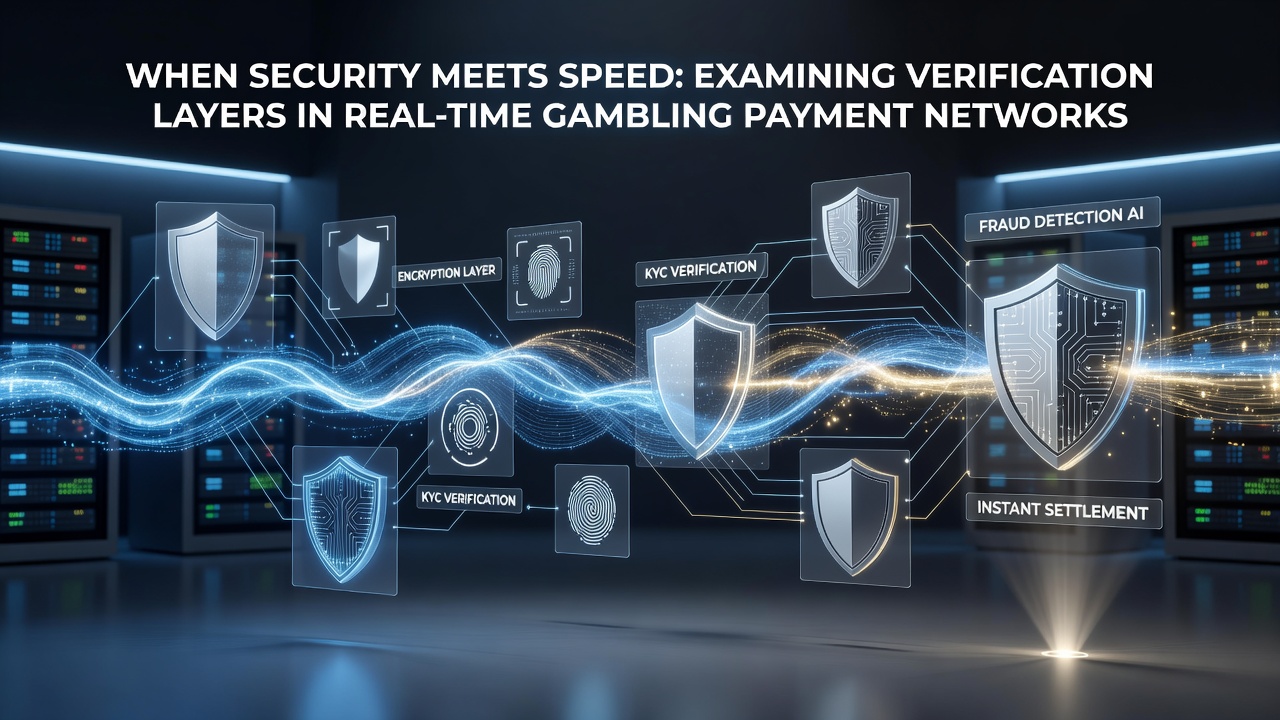
Verification begins at account creation with document uploads and continues through each session via ongoing monitoring that flags unusual patterns such as rapid deposit-withdrawal cycles or geographic mismatches. Systems often combine automated rules engines with machine learning models trained on historical fraud data, allowing platforms to approve legitimate bets instantly while routing suspicious activity to secondary review queues. Observers note that these layered approaches reduce false positives compared with single-point checks, yet they demand constant calibration to keep pace with evolving payment methods including digital wallets and tokenized bank transfers.
Real-time networks rely on application programming interfaces that connect gambling platforms directly to payment processors and banking partners, enabling near-instant fund availability once initial verification clears. Additional safeguards such as tokenization replace sensitive card details with unique identifiers that expire after use, limiting exposure during high-volume periods. Researchers at institutions studying digital finance have documented how these techniques cut processing times by significant margins across multiple markets, including those in North America and parts of Europe where licensing frameworks require demonstrated transaction integrity.
Regional Implementation Patterns Through August 2026
Markets in the United States demonstrate varied adoption rates, with states that expanded online offerings earlier now testing advanced biometric options alongside traditional methods. Canadian provinces continue updating their frameworks to accommodate faster payout expectations while preserving audit trails that regulators can access on demand. Australian authorities have emphasized responsible gambling tools that integrate with payment verification, requiring operators to pause or flag certain transaction sequences that exceed predefined risk thresholds. These approaches differ in technical detail yet share the common goal of minimizing latency for approved users without compromising oversight capabilities.
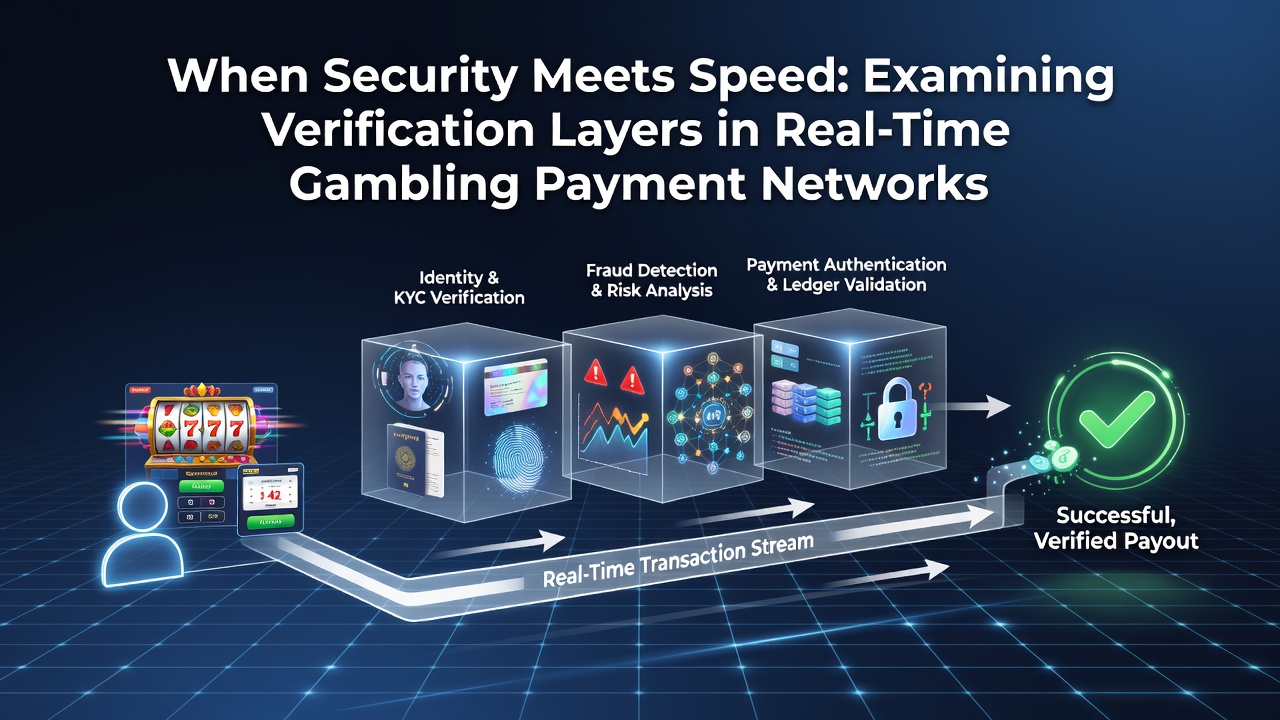
Platforms operating across borders face additional complexity because verification standards must satisfy the strictest applicable rules in each licensed territory. Payment service providers therefore maintain separate rule sets that activate based on user location and account type, ensuring compliance while preserving the speed users expect during live events. Industry reports indicate that successful operators invest heavily in modular verification architectures that allow quick updates when new regulations take effect, avoiding disruptions to ongoing transaction flows.
Technological Advances Driving Efficiency
Artificial intelligence now plays a central role in distinguishing normal betting behavior from potential misuse by analyzing factors such as session duration, bet sizing patterns, and device consistency in real time. These models improve over successive updates as they incorporate new data, reducing the need for manual intervention on routine transactions. Blockchain-based verification pilots have appeared in select markets, offering immutable records of fund movements that appeal to regulators seeking transparent audit trails without slowing approval processes.
Token-based authentication and passkey systems replace older password-dependent methods in many networks, shortening login sequences while maintaining security standards required by licensing bodies. Integration with third-party identity services further accelerates onboarding for returning users whose details already satisfy prior checks, allowing platforms to focus computational resources on high-risk activity. Data from the American Gaming Association highlights continued growth in digital payment adoption, underscoring the importance of scalable verification infrastructure that handles volume spikes during major sporting events or promotional periods.
Balancing Compliance and User Experience
Operators must satisfy anti-money laundering requirements that mandate customer due diligence at defined thresholds, yet they also face commercial pressure to deliver instant deposits and withdrawals that keep players engaged. Automated screening tools now handle the majority of routine verifications, escalating only complex cases to human analysts who apply contextual judgment. This tiered model appears in multiple jurisdictions and has allowed platforms to maintain compliance records while achieving sub-second response times for most transactions.
Testing and certification bodies evaluate these systems against performance benchmarks that include both security metrics and latency targets, ensuring new verification modules do not degrade overall network speed. Continuous monitoring feeds performance data back into system tuning, creating feedback loops that refine accuracy without requiring complete overhauls. Those who have examined implementation timelines note that phased rollouts minimize service interruptions and allow operators to gather operational data before full deployment.
Conclusion
Verification layers in real-time gambling payment networks continue evolving through incremental improvements in automation, data analysis, and cross-system integration. Markets that prioritize both security standards and transaction speed demonstrate measurable progress in processing efficiency while meeting regulatory obligations. Ongoing collaboration between operators, technology providers, and oversight agencies supports further refinement of these systems, ensuring they scale with growing transaction volumes expected through the remainder of 2026 and beyond.